manual reader crossword puzzle
Overview of Manual Reader Crossword Puzzles
Manual reader crossword puzzles let you solve clues by hand, sharpening logic and vocabulary. They provide a mental workout, leisure enjoyment, and a chance to test knowledge without digital aids. Many enthusiasts enjoy the tactile satisfaction of pencil and paper and satisfaction of solving puzzle now

Definition and Scope
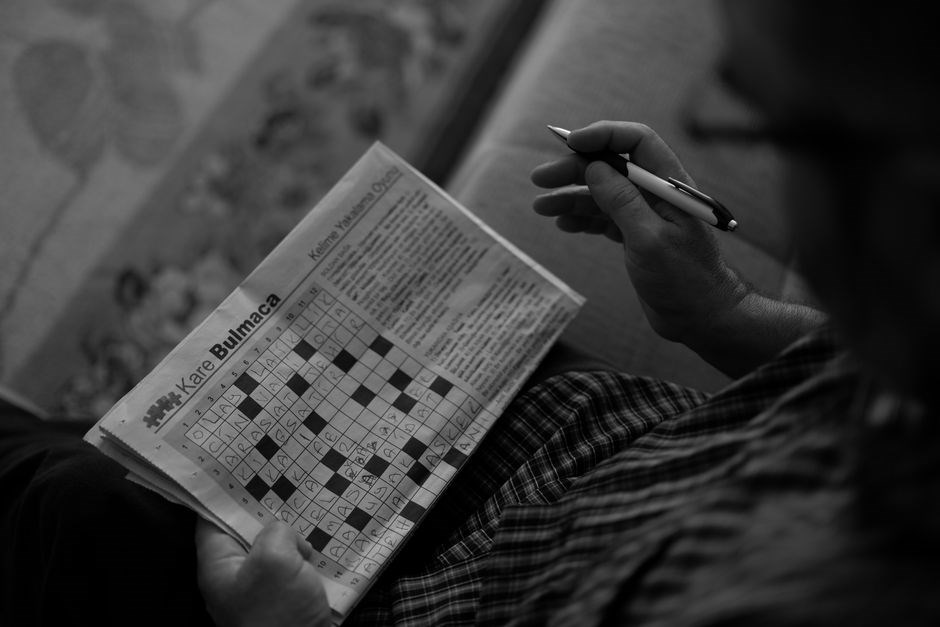
Manual reader crossword puzzles refer to the traditional, paper‑based activity where participants solve word grids using only a pencil, eraser, and a keen sense of linguistic and logical reasoning. The scope of this pastime spans centuries of editorial culture, from early 19th‑century broadsheet competitions to modern daily newspapers and specialized puzzle books. Participants engage with a grid of intersecting across and down entries, each clue demanding a single word or short phrase that fits the specified length. The manual format emphasizes tactile interaction: the solver physically marks letters, corrects mistakes with an eraser, and often annotates marginal notes for future reference. This hands‑on approach nurtures a deeper cognitive connection to the puzzle, as the solver must mentally track letter placements and cross patterns now! Moreover, the scope extends beyond mere entertainment; it serves educational purposes, enhancing vocabulary, spelling, and problem solving skills. In academic settings, teachers sometimes incorporate manual crossword exercises to reinforce subject matter, while hobbyists publish their own puzzles in community newsletters. The cultural significance remains strong, with dedicated clubs, competitions, and online forums celebrating the art of manual crossword build and solving. Ultimately, manual reader crossword puzzles represent a timeless blend of creativity, strategy, and intellectual challenge that continues to captivate diverse audiences worldwide.
Historical Development of Manual Solving Techniques
Early 20th‑century newspapers introduced grid puzzles, encouraging systematic cross‑referencing. Solvers adopted pencil‑and‑paper methods, noting letter patterns and building word banks. Techniques evolved: cross‑checking, thematic analysis today.
Evolution of Manual Solving Practices
Since the first newspaper grids appeared in the early 1900s, enthusiasts have refined a set of manual techniques that remain essential for today’s solvers. The process begins with a quick scan of the entire grid, noting the distribution of long and short answers and any obvious theme indicators. Solvers then tackle the most constrained clues—those with the fewest possible letter intersections and iterative narrowing possibilities. This method, often called “cross‑checking,” involves filling in a few letters, then verifying them against the intersecting words, and iteratively narrowing possibilities. Many solvers maintain a personal word bank, a handwritten list of frequently used crossword terms such as “ANT,” “EEL,” or “SHE.” By cross‑referencing these entries with the current puzzle, they can quickly eliminate unlikely options. In addition, thematic analysis has become a staple: recognizing recurring motifs or puns allows solvers to anticipate answers before the clues are even read. Modern manual solvers also employ a “grid‑first” strategy, marking potential letter placements on a separate sheet of paper to avoid cluttering the original puzzle. This practice, combined with a disciplined use of a pencil and eraser, preserves the integrity of the grid while allowing for rapid experimentation. Finally, the community aspect—sharing solutions, discussing ambiguous clues, and reviewing editorial notes—continues to drive the evolution of manual techniques, ensuring that each new puzzle benefits from collective wisdom and refined strategies. 2026. OK

Key Tools and Resources for Manual Readers
Manual solvers rely on a sturdy pencil, eraser, and a grid‑first worksheet. Reference books like “The New York Times Crossword Guide” and online archives provide clue databases. A dedicated notebook for word banks, and a timer help maintain focus and accuracy. Use a ruler and a dictionary for terms!quick
Recommended Reference Books and Guides
The New York Times Crossword Guide is a staple for manual solvers, offering a year’s worth of puzzles, a glossary of common themes, and detailed explanations of cryptic conventions. It offers a concise wordplay guide for quick reference.!!!
Crossword Solver’s Handbook focuses on clue mechanics, breaking down wordplay, definitions, and homophones. It provides step‑by‑step strategies for each clue type, with annotated examples that illustrate systematic approaches.!!!
Word Power for Crosswords is a vocabulary builder listing over 3,000 high‑frequency words, grouped by length and theme. It includes mnemonic devices and cross‑referencing tools that help manual readers recall obscure terms during a puzzle.!!!
Cryptic Crossword Bible is a definitive resource for cryptic puzzles, explaining rules, common abbreviations, and offering practice exercises that reinforce pattern recognition. It serves as a quick reference for tricky cryptic clues.!!!
Daily Crossword Companion is a practical guide with printable grid templates, a cheat sheet, and time‑management tips. It is ideal for solvers who prefer a structured approach to each puzzle, ensuring accuracy and speed.!!!
In addition to these books, many solvers find value in online archives such as the “Crossword Archive” and the “Puzzle Finder” database. These sites host thousands of puzzles and allow users to search by keyword or theme, providing a dynamic reference that complements static print resources. By integrating both printed guides and digital databases, manual readers can develop a well‑rounded skill set that balances theoretical knowledge with practical application.!!!
Common Strategies for Solving Across and Down Clues
Start with obvious fills: long words or those with unique letters. Cross‑check intersections to lock possibilities. Use word families and common prefixes/suffixes. For across clues, fill blanks first, then back‑fill down. For down clues, solve high‑confidence ones early to guide across. Use cross‑check.now
Analytical Methods for Clue Interpretation
Analytical methods start by parsing the clue into definition and wordplay. Identify the definition’s position—usually at the start or end. Look for indicators: anagram signs (scrambled, mixed, twisted), container signals (inside, within, wrapped), reversal cues (back, reverse, backwards), homophone hints (sounds like, said, heard). Break wordplay into components: charades (sequential parts), hidden words (inside a phrase), double meanings, and cryptic definitions.
- Anagram: scrambled, mixed, twisted
- Container: inside, within, wrapped
- Reversal: back, reverse, backwards
- Homophone: sounds like, said, heard
- Hidden: concealed, inside, within
- Charade: combine parts, sequentially
- Double definition: two meanings, one word
Use a systematic approach: write down each indicator, note the letters it manipulates, and cross‑check with the grid. Test common prefixes (re, un, pre) and suffixes (ing, ed, s). Keep a mental or paper list of short words that fit patterns. For ambiguous clues, consider multiple interpretations and see which fits intersecting letters.
Verify that the solution satisfies both the definition and the wordplay, ensuring no letter is misplaced. Finally, use the pencil and eraser wisely—mark tentative letters, then confirm once the cross‑letter pattern solidifies.
When encountering a tough spot, look at the intersecting letters: they often reveal the word’s length and shape. Use the pattern of known letters to narrow down possibilities, then apply the indicator logic to the remaining blanks.
Maintain a small word bank of common crossword answers (e.g., “and”, “the”, “to”, “of”) to fill in quickly. This saves time and keeps the puzzle moving.
Keep the pencil light; a fresh eraser prevents smudging, and a sharp pencil tip ensures clean entries for easy correction.
Practice these steps consistently, and over time you’ll recognize patterns faster, reducing guesswork and increasing accuracy.
Each solved clue boosts conf. for next today.

Managing Time and Maintaining Accuracy
Efficient time management starts with a clear plan: allocate 5 minutes for quick clues, 10 for harder ones, and a final 5 for review. Keep a steady pace, avoid overthinking, and use a pencil for easy corrections. Accuracy thrives when you balance speed with careful checking. Set a 15‑minute goal for puzzle now
Time Management Tips for Daily Puzzles
Start by setting a fixed daily schedule: choose a quiet 30‑minute block, mark a timer, and stick to it. Break the puzzle into phases—quick scan, clue analysis, filling, and final review. Allocate 5 minutes for high‑confidence answers, 10 for medium difficulty, and 10 for tough spots. Use a pencil to note uncertain letters; this allows easy edits without cluttering the grid. Keep a running tally of time spent on each section; if you exceed the allotted window, move on and revisit later. Prioritize clues that unlock multiple answers—solving a key across can reveal letters for several downs, saving time. Avoid the temptation to chase every wordplay; if a clue seems too obscure, skip it temporarily and return after filling easier sections. Maintain accuracy by double‑checking each entry against the clue definition and cross‑letters before finalizing. If you finish early, use the remaining time to cross‑verify all answers, ensuring no hidden errors. Consistent practice with these habits will gradually reduce completion time while preserving puzzle integrity. By marking uncertain letters with a distinct symbol and revisiting them after initial fill, solvers catch subtle misfits early, preventing cascade errors. Allocating a brief mental pause every ten minutes to reassess progress keeps focus sharp and time efficient. Keeping a concise log of common pitfalls encountered during practice sessions lets solvers anticipate and avoid recurring mistakes, steadily boosting speed and precision!!!
Advanced Techniques: Word Patterns and Fill Strategies
Advanced techniques focus on recognizing recurring letter patterns, such as double consonants or common suffixes, and using them to fill the grid efficiently. By mapping out known patterns early, solvers can anticipate missing letters, reduce guesswork, and streamline the overall solving process. for experts
Pattern Recognition and Word Bank Utilization
Pattern recognition is a cornerstone of manual crossword solving, allowing solvers to spot common letter pairings, recurring prefixes, and typical suffixes that often appear in crossword entries. By memorizing a personal word bank—an organized list of frequently used words, abbreviations, and crossword‑specific terms—solvers can quickly cross‑reference clues and reduce the time spent on uncertain entries. A well‑maintained word bank should be categorized by theme, length, and part of speech, making it easier to locate the right word when a clue’s definition or wordplay points to a particular pattern. For example, knowing that “___‑sized” often yields “micro‑sized” or “nano‑sized” can instantly fill a 10‑letter slot. Additionally, pattern recognition helps in spotting anagrams, reversals, or hidden words that are common in cryptic clues. By combining a robust word bank with the ability to see letter patterns, manual readers can approach each puzzle with confidence, turning a daunting grid into a series of manageable, logical steps that lead to a satisfying completion.
To further enhance pattern recognition, solvers should practice identifying symmetrical patterns in the grid, noting how intersecting words share letters and how that influences possible fills. A systematic approach—first filling the longest words, then using cross‑letters to narrow down shorter entries—reduces guesswork. Moreover, keeping a running list of “wildcard” letters that frequently appear in certain positions (e.g., “‑tion” endings or “‑ing” verbs) can speed up the filling process. Finally, reviewing completed puzzles to identify which patterns were most useful helps refine the word bank over time, ensuring that the most effective strategies are retained for future challenges.

Troubleshooting Common Hurdles
When stuck, check for common pitfalls: misreading clues, ignoring cross‑letters, or over‑relying on guesswork. Use a systematic approach—review intersecting words, test alternate meanings, and refer to a concise word bank. Persistence and patience break the block fast
Resolving Ambiguous Clues and Wordplay
When a clue seems to float between literal and cryptic territory, manual readers can deploy a layered strategy. First, isolate the surface meaning and note any capitalized or oddly phrased words that hint at wordplay. Next, examine the enumeration: a 3‑letter answer that fits a common abbreviation may signal a hidden or charade clue. Cross‑checking intersecting letters often reveals whether the answer is a homophone, an anagram, or a container. If the clue contains a reversal indicator—such as “back” or “reverse”—reverse the letters of the suggested word and see if it matches the grid. For hidden clues, scan the clue for a contiguous string that matches a potential answer; the phrase “in the midst” or “within” is a classic giveaway. Wordplay that involves deletion or insertion can be spotted by looking for a word that, when a letter is removed or added, yields a new valid word that fits the enumeration. When all else fails, consult a concise reference of common cryptic indicators; a quick lookup of “anagram” or “charade” can clarify the intended mechanism. By systematically applying these checks, manual readers can untangle even the most perplexing ambiguous clues and maintain confidence in their solving process. Check cross‑letters now!
Additional tactics involve leveraging known crossword conventions, such as “self‑referential” clues that hint at the answer’s own letters, or “double definitions” that require selecting the correct meaning based on intersecting letters. When encountering a clue that references a specific era or culture, a quick mental check of common period terms can resolve ambiguity. Finally, keep a small notebook of recurring cryptic patterns; over time, this personal reference accelerates recognition and reduces frustration.
Keep calm and solve daily now!
Community and Resources for Continuous Improvement
Join forums, local clubs, and online groups to share tips, solve puzzles together, and learn new techniques. Resources like puzzle archives, strategy guides, and weekly newsletters keep skills sharp. Engage, ask questions, and celebrate breakthroughs

For manual crossword enthusiasts, the internet hosts a vibrant network of forums and communities that thrive on shared passion and collective problem‑solving. The most prominent among them is the Classic Crossword Forum, where seasoned solvers post daily puzzles, discuss obscure clues, and offer techniques, daily, pencil‑paper cross‑checking and aids. Another key hub is the Manual Solvers’ Circle on Reddit, which hosts weekly challenges, solving sessions, and a subreddit for sharing strategies, now time‑management tips. For those who prefer a path, the Circle on Reddit hosts weekly challenges, sessions, and a subreddit for sharing strategies, now time‑management tips. Advanced techniques: pattern recognition and word bank utilization help solvers spot common letter combinations and fill gaps efficiently by cross‑referencing themes and applying logical deduction!. The Crosswords Archive hosts an extensive database of historical puzzles, allowing solvers to practice with vintage clues and learn editorial styles over decades for enthusiasts. The Puzzle Club on Discord brings together a global community of manual readers who collaborate in real‑time, sharing insights on word patterns and share solutions, boosting speed. and discuss themes. improving accuracy. daily.!!!!! The Manual Solvers’ Newsletter, distributed weekly via email, curates top community posts, highlights emerging trends in clue construction, and provides exclusive access to a monthly crossword puzzle that can be printed and tackled offline. Engaging with these platforms not only sharpens your manual solving skills but also connects you to a supportive network that celebrates the art of the crossword