
chaplet of seven sorrows pdf
The Chaplet of Seven Sorrows PDF offers a digital guide to meditating on the Virgin’s sorrowful moments. It includes the seven meditations, the litany, and links to official PDFs from CompanionCross.org and other sources. Use it to deepen devotion daily. Download the PDF to start your journey.and pray daily.OK!
Historical Origins of the Devotion

The Chaplet of Seven Sorrows traces its roots to the medieval devotion that emerged in the early thirteenth century. The first recorded references appear in the writings of the Dominican friars who sought to deepen the faithful’s contemplation of the Virgin’s suffering. The devotion was later formalized in the 13th‑century liturgical texts that integrated the Seven Sorrows into the rosary tradition. By the late Middle Ages, the practice was widespread in Italy and France, where monks and laypeople alike recited the seven meditations to honor the mother’s compassion for the crucifixion. The litany of the Seven Sorrows, a short prayer that lists each sorrow, was composed by Pope Pius VII while imprisoned during the Napoleonic wars, reflecting the pope’s personal experience of suffering and his desire to offer a spiritual balm to the faithful. This historical lineage demonstrates how the devotion evolved from a simple medieval practice into a structured form of prayer that continues to inspire devotion today. The devotion’s roots are also traced to the early Latin prayers of the 12th century, where monks recorded the Virgin’s lamentations as a model for penitential prayer. Over the centuries, the chaplet was adapted by various religious orders, each adding their own emphasis on the sorrowful mysteries. In the 18th century, the devotion gained renewed popularity as a tool for spiritual reflection during times of persecution and war, especially in France and Italy, where the faithful sought comfort in the Virgin’s shared suffering. Today, the Chaplet remains a practice seeking solace amid today now hardship!.
Development in the Thirteenth Century
During the 1200s, the Chaplet of Seven Sorrows evolved from informal meditation into a structured prayer. Dominican friars in Italy and France began to codify the seven sorrowful moments into a rosary format, linking each sorrow to the Virgin’s lamentations at Calvary. The practice was first documented in the 1230s in the writings of the Dominican master, Dominicus de Sancto. The litany of the Seven Sorrows was incorporated into the rosary by the mid‑century, allowing the faithful to recite the sorrowful mysteries in a rhythmic and contemplative manner. Monastic communities used the chaplet as a tool for penitential reflection, especially during Lent, and it was often paired with the Stations of the Cross. By the late thirteenth century, the devotion had spread beyond Italy to France, Spain, and Portugal, where it was embraced by both clergy and laity. The chaplet’s structure was refined by the 1280s, with the addition of specific prayers for each sorrow, and it became a staple of Catholic devotional life, influencing later Marian devotions and the eventual formalization of the Rosary of the Seven Sorrows in the 18th century; This structured form, rooted in medieval practice, has been embraced by countless faithful across the world, offering a way to meditate on the Virgin’s compassion and to seek her intercession in times of sorrow. Its presence in liturgical calendars, parish devotionals, and prayer underscores its lasting spiritual significance, while the PDF format ensures accessibility for believers seeking a portable guide to this profound Marian devotion. daily prayer
Association with Pope Pius VII and the Napoleonic Era
Pope Pius VII, who reigned from 1800 to 1823, is intimately linked to the Chaplet of Seven Sorrows through his composition of the Litany of the Seven Sorrows. While imprisoned by the French during the Napoleonic Wars, the pontiff found solace in Marian devotion and penned the litany as a spiritual refuge. His captivity, which lasted from 1809 to 1814, coincided with the height of the Napoleonic upheaval, and the litany reflects the sorrowful themes that resonated with a Europe in turmoil. The text, now preserved in the CompanionCross.org booklet, illustrates how the papal figure used the Seven Sorrows as a means to express empathy for the suffering of the faithful. By integrating the litany into the chaplet, Pius VII provided a structured prayer that could be recited by clergy and laity alike, fostering a sense of unity amid political fragmentation. The chaplet’s use during this era also served as a subtle form of resistance, reminding believers of the enduring presence of the Virgin Mary even when the Church faced external threats. Pius VII’s personal devotion to the Seven Sorrows, documented in his correspondence and in the litany itself, has continued to inspire modern devotees who seek a connection to the historical roots of Marian prayer. The Napoleonic context, with its emphasis on liberty, equality, and fraternity, is mirrored in the chaplet’s call for compassion and solidarity, making the devotion a timeless resource for those navigating both personal and societal challenges. Thus the Chaplet remains a timeless bridge, linking past sorrow with present hope OK

Structure of the Chaplet
The Chaplet of Seven Sorrows PDF is organized into two main parts: seven sorrowful meditations and the Litany of the Seven Sorrows. Each meditation reflects a specific sorrow, while the litany offers a concise prayer. The PDF from CompanionCross.org provides a printable guide for daily devotion. It offers comfort daily

Seven Sorrowful Meditations
The Chaplet of Seven Sorrows PDF offers a structured path for deep reflection on the Virgin Mary’s specific sorrows. The first meditation reflects on the prophecy of Simeon, when Mary and Joseph were presented to the temple and the infant Jesus was declared the light for all nations, reminding us of the divine purpose that guided the Holy Family. The second meditation recalls the flight into Egypt, where the Holy Family fled from King Herod’s wrath, experiencing fear, uncertainty, and the weight of exile, a reminder of faith’s vulnerability. The third meditation focuses on the loss of the child Jesus in the garden of Gethsemane, a profound grief for a mother who could not protect her son, urging us to share in her sorrow and seek comfort. The fourth meditation centers on the crucifixion, where Mary stood beside the cross, witnessing the suffering and death of her son, a powerful image of love and sacrifice that calls us to embrace our own trials. The fifth meditation contemplates the descent from the cross, the sorrow of seeing Jesus’ body removed, underscoring death’s reality and redemption’s hope. The sixth meditation reflects on the burial, the sorrow of placing Jesus in the tomb, a symbol of humility and promise of resurrection. The final meditation, the seventh sorrow, considers the resurrection, the hope that follows sorrow, and the promise of eternal life, reminding us that joy can arise from suffering. Each meditation is accompanied by a short prayer and a litany, encouraging a deep, reflective prayer experience for the faithful, and the PDF provides guidance on how to recite each prayer with reverence and devotion.
Open the PDF on any device, print if desired, and follow the suggested order of meditations. The PDF contains a brief introduction, the seven meditations with prayers, and a litany to recite after each. Users are encouraged to set aside a quiet time each day, perhaps morning or evening, to walk through the chaplet, allowing sorrowful moments to deepen faith and bring closer to the Mother’s compassion. The PDF also offers a downloadable audio version for those who prefer listening. It is free. Enjoy Now. May grace guide you. With love. Amen!
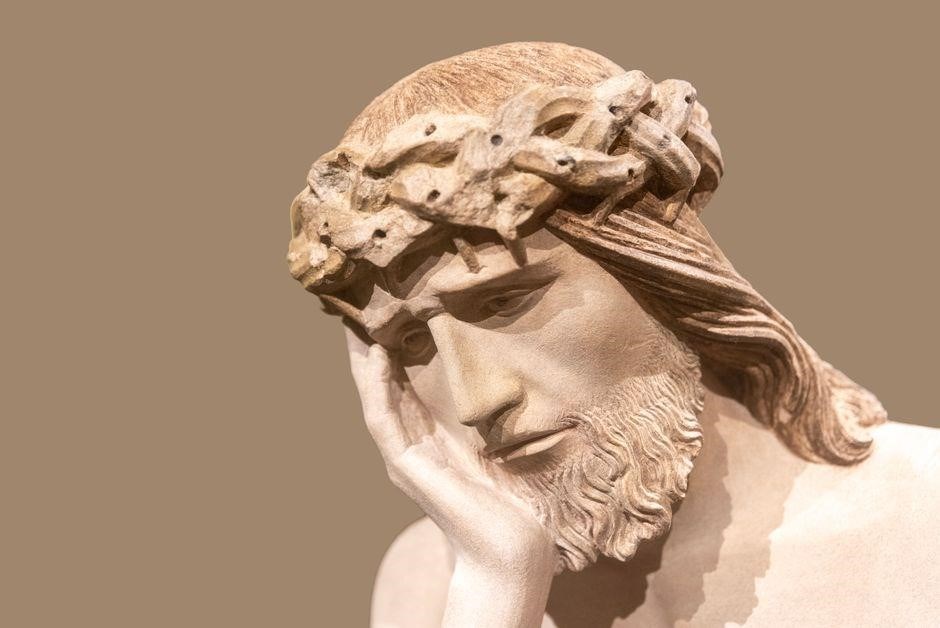
Litany of the Seven Sorrows
The Chaplet of Seven Sorrows PDF presents the Litany of the Seven Sorrows, a solemn prayer honoring the Virgin Mary’s profound grief. The litany begins with the invocation, “O Mary, Mother of God, we ask you to intercede for us.” Each sorrow is named and petitioned: the sorrow of the prophecy, the flight into Egypt, the loss of the child in the garden, the crucifixion, the descent, the burial, and the resurrection. After each sorrow, the faithful repeat, “O Mary, we ask you to intercede for us.” The litany concludes with a plea for the graces promised by Our Lady, including peace for families and fulfillment of petitions that do not oppose divine will. The PDF includes a printable version, enabling devotees to recite it during personal devotion or in group settings. The litany is designed to be recited slowly, with each sorrow reflecting the mother’s compassion for humanity’s suffering. By following the PDF’s guidance, believers deepen their connection to Mary’s sorrow and receive the spiritual benefits promised in the devotion. The PDF also offers a brief explanation of each sorrow, providing context for those new to the chaplet. Use it daily to strengthen faith and cultivate humility. May the intercession of the Mother of God bring comfort and grace to all who pray.
In the PDF, each sorrow is accompanied by a short reflection that encourages the faithful to meditate on the mother’s compassion. The litany’s structure invites a rhythm of prayer, mirroring the sorrowful journey of Mary. By reciting the litany, believers can experience a deeper sense of empathy and a renewed commitment to live a life of humility and service. The PDF also provides a concise guide on how to incorporate the litany into daily prayer routines, suggesting times such as morning, evening, or during moments of quiet reflection. This guidance helps ensure that the devotion becomes a regular practice, fostering spiritual growth and a stronger bond with the Mother of God. The PDF’s printable format makes it easy to keep a physical copy for personal devotion or to share with a prayer group. The litany is a powerful tool for those seeking comfort in times of sorrow and a reminder of the hope that comes through the resurrection of Christ. The PDF also encourages sharing the litany with friends and family, fostering a community of prayer support! Remember to breathe and open your heart now! Let each sorrow guide you toward compassion and hope!.

Accessing the PDF Resources

Download the Chaplet of Seven Sorrows PDF from CompanionCross.org. Alternate versions are available on the official site and other reputable Catholic portals. Use the provided links to view, print, or share the devotion for personal or group prayer. Pray with devotion daily.
Official PDF from CompanionCross.org
CompanionCross.org hosts the official PDF of the Chaplet of Seven Sorrows, a devotion that honors the Virgin’s sorrowful moments. The file reproduces the booklet published for the Year for Priests (Anno Sacerdotale) 2009‑2010, including the seven sorrowful meditations, Pope Pius VII’s litany, and St. Bridget’s promises of seven graces. Users can download the PDF directly from the site’s Devotions section. The document is formatted for easy printing and digital reading, preserving the original layout and decorative elements. CompanionCross.org ensures the file is free of copyright restrictions, allowing faithful individuals worldwide to integrate the chaplet into daily prayer, retreats, and group liturgies. The PDF also includes a brief guide on how to use it for personal meditation, with suggested times of day and reflective prompts. By following the official PDF, devotees maintain consistency with the authentic text and benefit from the spiritual guidance embedded in the devotion. For those preferring a hard copy, the PDF can be printed in full color or black‑and‑white, providing a tangible reminder of the Virgin’s sorrow and the hope found in her intercession. CompanionCross.org remains a trusted resource for Catholic prayer practices, ensuring the Chaplet of Seven Sorrows is accessible to all who seek to deepen their relationship with Our Lady. Download the PDF today and share it with your community to spread the devotion’s grace. Let each prayer echo Mary’s sorrowful heart inviting peace into every home.
Alternate PDF Versions and Sources
Besides the CompanionCross.org official file, several reliable sites offer the Chaplet of Seven Sorrows PDF. Catholic.org hosts a version that includes commentary on each sorrow, making it ideal for study groups. The Vatican’s official website provides a scanned copy of the 2009 booklet, preserving the original typography and marginal notes. The Marian Devotion Network supplies a bilingual PDF in English and Spanish, enabling non‑English speakers to participate fully. The Catholic Library of America offers a downloadable PDF that contains a brief introduction by a noted theologian, giving context for the devotion’s historical roots. The Catholic Answers website hosts a PDF with a detailed explanation of the litany, including historical background and prayer tips. The National Catholic Register provides a PDF with a printable prayer card that can be used during Mass or personal devotion. The Marian Center of the Americas offers a PDF that includes a short hymn to accompany the chaplet, enhancing the meditative experience. The Catholic Book Store supplies a PDF with a small booklet of reflections and personal testimonies, useful for retreats. The Catholic App provides a digital version that can be accessed offline, allowing devotees to pray on the go; All these sources are free to download and are regularly updated to reflect any corrections or new editions. By exploring these alternate versions, devotees can choose the format that best fits their personal or communal prayer practice. Additionally, the Catholic Heritage Society publishes a PDF that includes a guide for integrating the chaplet into liturgical celebrations, while the Global Catholic Network offers a multilingual version that supports diverse linguistic communities worldwide today!

Spiritual Benefits Promised by Our Lady

Our Lady promises seven graces for those who meditate on her sorrows: 1) peace for families, 2) illumination of the Mysteries, 3) consolation in pain, 4) fulfillment of petitions within divine will, 5) protection from harm, 6) strength in trials, and 7) a deeper communion with Christ May these graces guide us
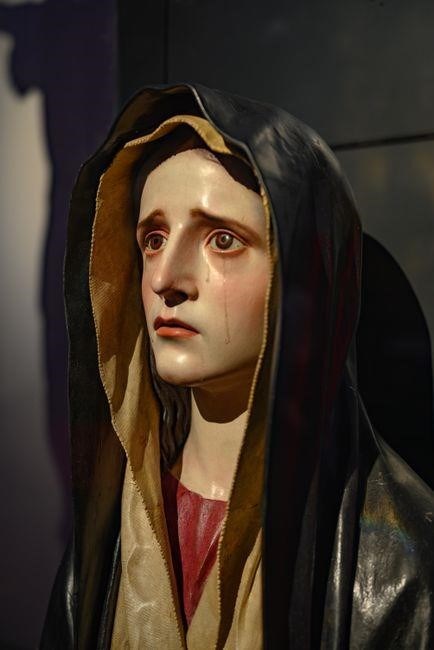
Seven Graces for Devotees
According to the tradition recorded by St. Bridget of Sweden, Our Lady has pledged to bestow seven distinct graces upon those who honor her with daily devotion to the Chaplet of Seven Sorrows. These graces promise divine assistance that aligns the faithful with the mysteries of the Cross and the maternal compassion of the Mother of God. The first grace is the gift of peace to the families of the devout, a calm that steadies the household against the turbulence of daily life. The second grace is a profound illumination concerning the divine mysteries, allowing the believer to perceive the hidden depths of the faith with clarity and reverence. The third grace is the consolation of the soul in times of pain, a soothing presence that accompanies the faithful through personal suffering. The fourth grace is the assurance that the petitions of the heart will be granted, provided they do not conflict with the will of the Divine Son or the sanctification of the soul, thereby ensuring that every request is in harmony with divine purpose. The fifth grace is protection from harm, a shield that guards the devotee against physical and spiritual dangers that may arise in the course of their spiritual journey. The sixth grace is the strengthening of resolve during trials, empowering the faithful to persevere in their vocation and in the face of adversity. Finally, the seventh grace is the deepening of communion with Christ, a union that enriches the believer’s relationship with the Savior and deepens devotion to the Sacred Heart. These graces inspire compassionate service and steadfast faith. Together, these seven graces form a comprehensive spiritual framework that encourages daily meditation, fosters a deeper connection with the Mother of God, and ultimately guides the faithful toward a life of holiness and service. By engaging regularly with the Chaplet of Seven Sorrows, devotees can experience these blessings, thereby living out the promise of Our Lady’s maternal care and divine intercession in every aspect of their lives.
Practical Guidance for Daily Meditation
Begin each session by selecting a quiet corner where interruptions are minimal. Open the Chaplet of Seven Sorrows PDF on a device or print the page for tactile reference. Set a timer for 20–30 minutes to maintain focus without feeling rushed.
Start with a short breathing exercise: inhale slowly for four counts, hold for four, exhale for four, repeat three times. This calms the mind and prepares the heart for contemplation.
Read the first sorrowful meditation aloud, allowing the words to resonate. After each reading, pause for a moment of silent reflection, visualizing the scene described. Then recite the corresponding line of the Litany of the Seven Sorrows, using the PDF’s printed or digital version as a guide. Continue this pattern for all seven sorrows, ensuring each is given equal attention.
Use the PDF’s layout to keep track of progress: the document typically marks each sorrow with a distinct heading and provides space for personal notes. Write brief reflections in the margin or in a separate journal, noting how the meditation affected your emotions or thoughts. This practice deepens the connection between the text and personal experience.
After completing all seven, conclude with a short prayer of gratitude, thanking Our Lady for the grace of the chaplet. Store the PDF in a dedicated folder for easy access on subsequent days. Consistency is key; aim to meditate at the same time each day, whether morning, midday, or evening, to create a rhythm that reinforces spiritual growth.