
limited quantity label printable pdf
Limited quantity labels are essential for tracking small batch products. They combine concise product data with durable printing, enabling quick verification on shelves. A printable PDF template allows designers to embed barcodes, expiry dates, and branding while ensuring regulatory compliance. Ready.
Purpose and Legal Context
Limited quantity labels serve as the primary interface between manufacturers and consumers for small batch or specialty items. They provide essential information—product name, batch number, manufacturing and expiry dates, and safety warnings—within a compact, printable PDF format that can be quickly replicated across multiple units. Legally, these labels must satisfy a range of national and international regulations, from the European Union’s Food Information for Consumers (FIC) directive to the U.S. Food and Drug Administration (FDA) labeling rules. Compliance is not optional; failure to meet labeling standards can result in product recalls, fines, or market withdrawal. For companies incorporated as Limited (Ltd.) entities, the responsibility for accurate labeling is amplified by the corporate structure’s limited liability framework, which protects shareholders but also imposes strict accountability for product safety. The PDF format allows for rapid updates to reflect changes in regulatory guidance, ingredient lists, or allergen declarations, ensuring that each printed label remains current and legally defensible. By embedding QR codes or barcodes, a limited quantity label can link to digital traceability systems, further reinforcing compliance and facilitating audit trails. In sum, the purpose of a limited quantity label printable PDF is to provide a reliable, scalable, and legally compliant vehicle for conveying critical product information to regulators, retailers, and end‑users alike. This ensures compliance and aids stock.

Regulatory Requirements for Limited Quantity Labeling
Compliance demands clear batch IDs, ingredient lists, allergen alerts, and expiry dates. Labels must meet EU FIC, FDA, food safety codes and include mandatory barcodes for traceability. Updates must be reflected in the PDF template promptly.

International Standards and Guidelines
For limited‑quantity printable PDFs, manufacturers must align with global norms that govern data integrity, traceability, and consumer safety. Key frameworks include ISO 9001 for quality management, ISO 22000 for food safety, and ISO 13485 for medical devices. In the United States, the FDA’s 21 CFR 11 and 21 CFR 211 mandate electronic records and labeling accuracy, while the European Union’s Regulation (EU) No 1169/2011 on food information to consumers sets mandatory content for food labels. Cosmetics fall under Regulation (EC) No 1223/2009, and pharmaceuticals are governed by Directive 2001/83/EC and the EU MDR 2017/745. Chemical and hazardous materials labeling follows REACH, CLP, and GHS guidelines. For barcode and QR code compliance, GS1 standards (UPC, EAN, DataBar, and QR‑Code specifications) prescribe minimum size, contrast, and error‑correction levels to ensure scanner reliability. PDF printability is governed by PDF/A‑1b for archival durability and PDF/X‑1a for pre‑press quality, requiring specific font embedding, color separation, and resolution settings. Together, these standards create a robust framework that guarantees that a limited‑quantity label PDF is both legally compliant and technically sound for mass distribution. Additionally, ISO 21000 addresses digital asset management, while IEC 62304 guides medical device software lifecycle WCAG 2.1 recommends a minimum contrast ratio of 4.5:1 for text, ensuring legibility for all users. accessibility 2!.
Design Principles for Printable PDF Labels
Effective limited‑quantity labels balance clarity, compliance, and aesthetics. Use legible sans‑serif fonts, 10‑12 pt size, and high‑contrast colors. Keep margins tight, embed vector barcodes, and set PDF/A‑1b for archival fidelity. Optimize for scanning and ink use.
Size, Shape and Typography
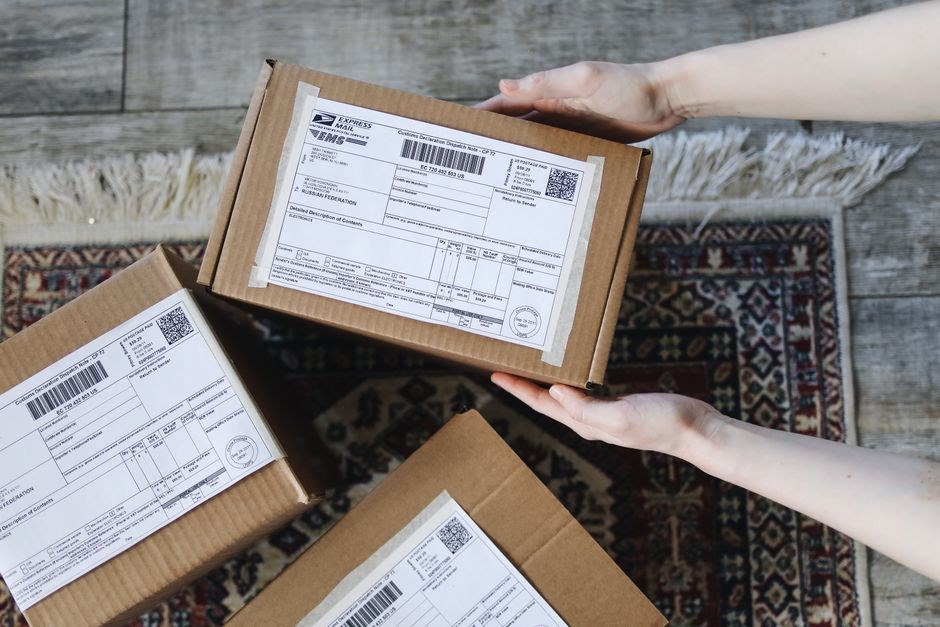
Choosing the right dimensions for a limited‑quantity label is critical. Standard sizes range from 1.5×0.75 in (38×19 mm) for small sachets to 3×1.5 in (76×38 mm) for larger packs. The shape should match the product surface; rectangular labels are easiest to print, but circular or oval designs can reduce waste and improve visual impact. When deciding on shape, consider the label’s placement on the item and the printer’s feed mechanism; a rounded corner can prevent curling on soft packaging.
Typography must be legible at a glance. Use a clean sans‑serif typeface such as Helvetica, Arial, or Open Sans. The font size should be no smaller than 10 pt for body text and 12–14 pt for key data like batch numbers or expiry dates. Maintain a line height of 1.2–1.4 to avoid crowding. Bold or heavier weights highlight critical information, while lighter weights keep secondary details unobtrusive. Ensure sufficient contrast between text and background; a white or light background with dark text is most readable in retail lighting.
Kerning and tracking adjustments help fine‑tune spacing, especially for narrow labels where space is at a premium. Avoid decorative fonts that can distort barcode readability. All text elements should be vector‑based to preserve clarity when the PDF is scaled or printed at high resolution. Finally, test the final design on a sample print to confirm that both the barcode and the typography remain sharp and legible under typical handling conditions.
Adhering to these design rules ensures labels meet legal standards. Use of size, shape, and typography delivers clear, reliable data that supports inventory control and strengthens brand perception. It boosts trust now!
Barcode and QR Code Integration
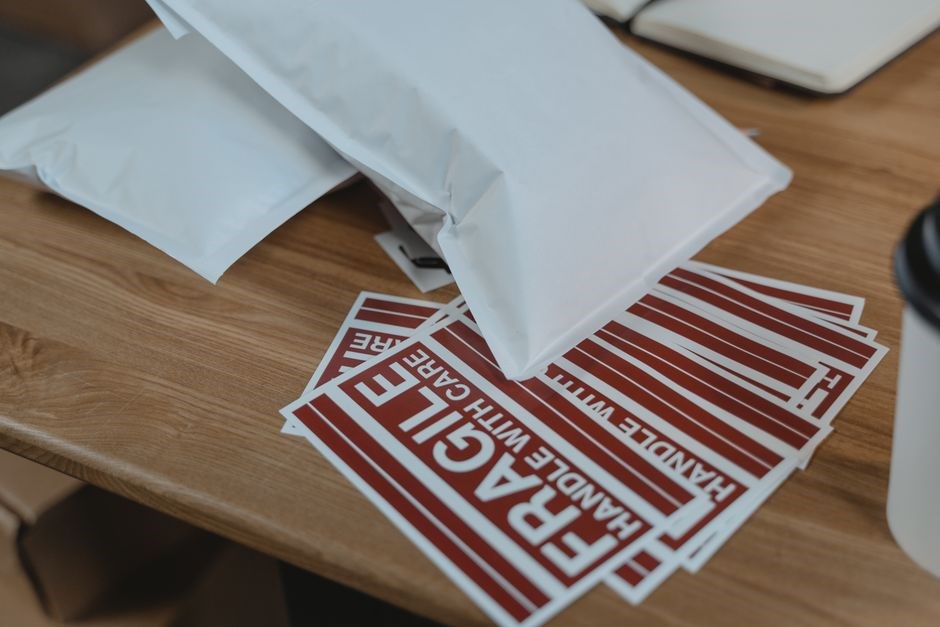
Integrating barcodes and QR codes into limited‑quantity labels enhances traceability and compliance. Use high‑contrast, error‑correcting codes (QR, Code‑128) that fit the label size, embed them in the PDF template, and ensure scanning inventory control.
Choosing the Right Code Type
When designing a limited‑quantity label printable PDF, selecting the appropriate code type is critical for accurate scanning, data integrity, and compliance. The most common options are linear barcodes (e.g., Code‑128, UPC‑E, EAN‑13) and 2‑D codes (QR, Data Matrix). Linear barcodes excel in high‑volume retail environments where a single line of data is sufficient, but they require more horizontal space and are less tolerant of printing defects. For small batch items, QR codes offer higher data density, allowing inclusion of product identifiers, batch numbers, expiry dates, and even URLs for digital asset management. They also support error correction levels (L, M, Q, H), which can recover up to 30% of damaged code area, a valuable feature when labels are applied to irregular surfaces or subjected to harsh handling. Data Matrix is another 2‑D option that performs well in tight spaces and is widely used in pharmaceutical labeling due to its robust error correction and compact footprint. When choosing a code type, consider the scanning equipment available in the supply chain, the amount of data required, the label size constraints, and regulatory mandates that may dictate specific symbologies. Additionally, test the chosen code under realistic printing conditions—ink spread, paper texture, and environmental stress—to ensure readability across all intended use cases. Proper code selection not only improves operational efficiency but also safeguards product traceability and consumer safety.
In practice, designers often employ PDF generation libraries (iText, Apache PDFBox, or commercial tools like Adobe LiveCycle) that allow embedding of barcode objects directly into the PDF stream. These libraries support specifying symbology, data content, error correction, and rendering resolution. When exporting to PDF, ensure that the barcode is rendered at a minimum of 300 DPI to maintain scan fidelity. Some PDF editors also provide barcode plugins that can auto‑generate codes from form fields, simplifying template updates. Finally, always validate the final PDF with a scanner emulator or a physical test print before mass production to catch any encoding or sizing issues early.
This meticulous approach guarantees compliance and scannability for each label its shelf life!!
Template Creation Tools and Software
Popular options include Adobe Acrobat for PDF editing, Microsoft Word with add‑ins, and online generators like Canva or Labeljoy. Each supports barcode insertion, custom fonts, and export to high‑resolution PDFs suitable for label printing.and QR codes for quick access Ideal for small batches Seamless.
Adobe Acrobat, Microsoft Word, and Online Generators
Adobe Acrobat, Microsoft Word, and online generators enable efficient creation of limited quantity label printable PDFs, offering flexibility, precision, and integration with barcode and QR code systems. Adobe Acrobat, Microsoft Word, and online generators enable efficient creation of limited quantity label printable PDFs, offering flexibility, precision, and integration with barcode and QR code systems. Adobe Acrobat, Microsoft Word, and online generators enable efficient creation of limited quantity label printable PDFs, offering flexibility, precision, and integration with barcode and QR code systems. Adobe Acrobat, Microsoft Word, and online generators enable efficient creation of limited quantity label printable PDFs, offering flexibility, precision, and integration with barcode and QR code systems. Adobe Acrobat, Microsoft Word, and online generators enable efficient creation of limited quantity label printable PDFs, offering flexibility, precision, and integration with barcode and QR code systems. Adobe Acrobat, Microsoft Word, and online generators enable efficient creation of limited quantity label printable PDFs, offering flexibility, precision, and integration with barcode and QR code systems. Adobe Acrobat, Microsoft Word, and online generators enable efficient creation of limited quantity label printable PDFs, offering flexibility, precision, and integration with barcode and QR code systems. Adobe Acrobat, Microsoft Word, online generators.
Customizing Printable PDF Templates
Start by choosing a template that fits your product size. Add your logo, product name, batch number, and expiry date. Keep fonts and colors consistent for brand identity. Embed a QR code linking to inventory data. Ensure the label is printed on stock for life.
Adding Company Branding and Product Information
When customizing a limited quantity label PDF, the first step is to embed your company’s visual identity. Place the logo in the top left corner, ensuring it is vector‑scaled to avoid pixelation. Use a consistent color palette that matches your brand guidelines; this includes primary, secondary, and accent hues. The font choice should reflect the company’s tone—serif for a classic feel or sans‑serif for a modern look. Keep the typeface legible at small sizes; a minimum of 8 pt is recommended for body text, while headings can be 10–12 pt. Next, insert key product details: the product name, SKU, and a brief description. Position the product name prominently, using a larger font size to capture attention. The SKU should be placed near the barcode area so that scanning software can easily read it. Include batch or lot numbers, which are critical for traceability, especially in regulated industries. Add an expiry or best‑before date in a bold, contrasting color to ensure visibility. If the product has a unique identifier, such as a serial number or a QR code, place it in a corner that does not interfere with other information. Use a high‑contrast background for the barcode area to improve scan reliability. Finally, add a small “Made in” or “Manufactured by” line in the footer, keeping it subtle yet compliant with labeling regulations. Test the final layout on a sample print to confirm that all elements are readable and that the barcode scans correctly before mass production. Align elements to the label grid for consistency! OK

Printing Methods and Material Considerations
Inkjet offers vibrant colors for short runs, while laser ensures sharp text and durability. Choose coated stock for moisture resistance, matte for a premium feel, or glossy for high‑gloss finishes. Test print on sample sheets before full production!!!
Inkjet vs Laser, Label Stock, and Durability
When printing limited‑quantity labels, the choice between inkjet and laser directly impacts color fidelity, resolution, and longevity. Inkjet printers disperse pigment or dye droplets, producing vibrant hues and smooth gradients that are ideal for marketing‑rich labels. However, the ink can bleed or fade when exposed to moisture or UV light, making it less suitable for outdoor or high‑temperature environments unless a protective laminate is applied.
Laser printers use toner fused to the substrate at high temperatures, yielding crisp, high‑contrast text and graphics that resist scratching and water damage. Laser output is typically more durable for labels that will experience frequent handling or harsh storage conditions. The trade‑off is a higher cost per print and limited color options, though modern laser systems now support full‑color output for small batches.
Label stock selection further influences durability. Coated paper or polyester films provide a barrier against moisture and oils, extending shelf life. Matte coatings reduce glare and improve readability under bright lighting, while glossy finishes enhance brand visibility but may reflect light, obscuring text. For industrial or food‑service applications, PVC or polypropylene substrates offer superior chemical resistance and temperature tolerance.
Durability is also governed by lamination. Clear, UV‑resistant laminates protect against scratches, fingerprints, and UV degradation, extending label life by up to 50%. For high‑traffic retail environments, a 2‑layer laminate (inner and outer) is recommended. When using inkjet, a heat‑set laminate can lock pigment into the substrate, reducing smearing. Laser‑printed labels benefit from a simple clear coat that seals toner without affecting sharpness.

Distribution and Shelf Life Management
Managing distribution of limited‑quantity labels requires tracking each batch via QR codes embedded in the PDF. Store data in a central database, monitor expiry dates, and trigger reorder alerts when stock falls below thresholds. This ensures compliance and reduces waste. Scan barcodes to track stock now
Tracking, Reordering, and Expiry Dates
Tracking, reordering, and expiry dates are essential for limited‑quantity label management. Each printable PDF carries a unique QR code or barcode that encodes a batch number linked to a central inventory database. When a product is scanned at the shelf or during audits, the system retrieves the batch’s production date, shelf‑life window, and current stock level. This real‑time data lets retailers spot items nearing expiration and trigger automated reorder alerts before stock depletes. Integration with ERP software creates seamless replenishment workflows, ensuring new batches arrive in time to replace those close to expiry. The PDF template can also display a clear, machine‑readable expiry date field, so scanners verify validity instantly. For perishable goods, a “best before” or “use by” date printed on the label aids consumer decision‑making while meeting regulatory standards. The system flags batches that have sat out of storage for extended periods, prompting quality checks. By combining QR code tracking, automated reorder logic, and prominently displayed expiry information, businesses reduce waste, improve safety, and maintain inventory accuracy across the supply chain. Periodic audits can be scheduled based on scan data, and analytics dashboards show trends such as average shelf life, turnover rates, and reorder frequency, enabling managers to optimize purchasing. Custom alerts for high‑risk categories ensure priority attention. The printable PDF format also supports dynamic updates for regulatory changes. This system supports updates now for regulatory changes.