
crossdressing guide
Welcome to a comprehensive journey that uncovers the art, purpose, and joy of adopting alternate styles. This guide offers clear steps, practical tips, and supportive insights, helping you explore identity, confidence, and creative expression with ease. Embrace confidence and curiosity. now OK
Definition and Scope
Crossdressing refers to the practice of wearing clothing traditionally associated with another gender. It spans a spectrum from casual experimentation to identity expression. The scope includes personal enjoyment, performance art, therapeutic exploration, and cultural commentary. Historically, crossdressing has appeared in theater, religious rituals, and subcultural movements, each adding layers of meaning. In contemporary contexts, it challenges gender norms, fosters self‑acceptance, and builds community. The practice is not limited by age, sexuality, or background; it is a versatile form of self‑presentation that can be temporary or permanent. Individuals may adopt crossdressing for aesthetic pleasure, role‑playing scenarios, or as part of a broader gender identity journey. Understanding the definition clarifies motivations, legal considerations, and social dynamics. By exploring its breadth, one gains insight into psychological, artistic, and sociopolitical dimensions, paving the way for informed, respectful engagement.
Additionally, crossdressing intersects with fashion, body language, and media representation. Designers and influencers showcase expressions, encouraging broader acceptance. The practice also intersects with legal frameworks around dress codes, discrimination, and personal safety. Educational resources and support groups provide guidance, ensuring individuals navigate challenges with confidence. The evolving landscape reflects shifting cultural attitudes, making crossdressing a dynamic and evolving phenomenon.
Readers will find practical advice, historical context, and community insights to empower their journey!!! Practical steps and community support and resources!!!
Historical and Cultural Overview
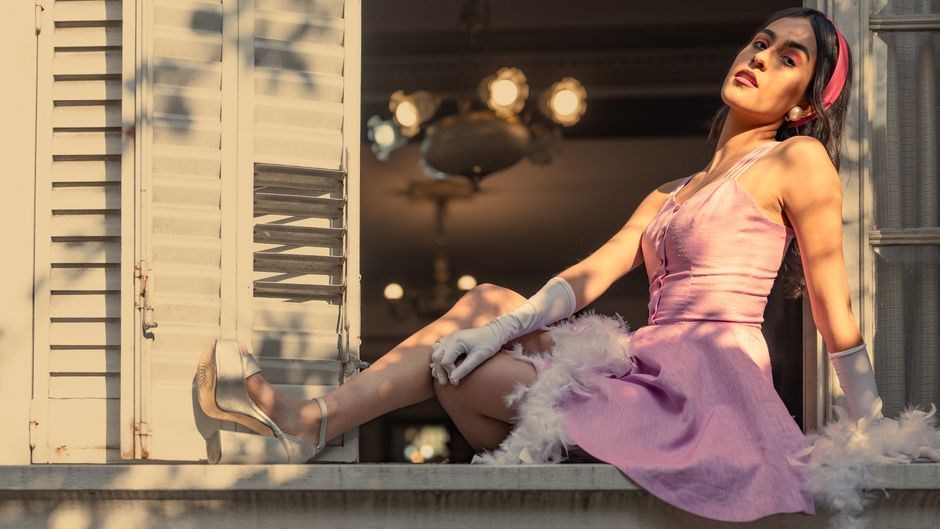
Crossdressing traces roots back to ancient rituals, theater, and gender fluid societies. From Greek theater masks to 20th‑century subcultures, it reflects evolving norms. Today, it challenges binaries, fostering dialogue on identity, expression, and cultural diversity. It shows gender trends.
Cultural Significance
Crossdressing has long been a mirror reflecting society’s evolving attitudes toward gender, fashion, and self‑expression. From ancient theatrical traditions where actors donned masks and costumes to embody diverse roles, to modern pop culture icons who challenge binary norms, the practice has woven itself into the fabric of artistic and social discourse. In many cultures, crossdressing is celebrated as a form of ritual, ceremony, or even spiritual devotion—think of the Japanese kappa‑sama, the Indian hijra community, or the African masquerade traditions that honor ancestral spirits. In contemporary Western societies, the visibility of crossdressers in media, fashion weeks, and online platforms has sparked conversations about inclusivity, body autonomy, and the deconstruction of rigid gender binaries. Scholars argue that crossdressing can serve as a form of resistance, allowing individuals to subvert expectations and reclaim agency over their bodies. Moreover, the economic impact is notable: niche markets for specialized apparel, makeup, and accessories have grown, supporting a diverse industry that thrives on authenticity and representation. Ultimately, crossdressing’s cultural significance lies in its capacity to challenge, inspire, and expand the collective understanding of identity, encouraging a more nuanced dialogue about who we are and how we choose to present ourselves to the world.
Historically, crossdressing also intersected with legal and social boundaries, where laws sometimes criminalized gender nonconformity, yet resistance movements used costume as a form of protest. Today, festivals, drag shows, and academic conferences celebrate crossdressers, fostering dialogue that bridges art, politics, and personal narrative, and affirming that identity is fluid, not fixed. 2026
Motivations and Personal Identity
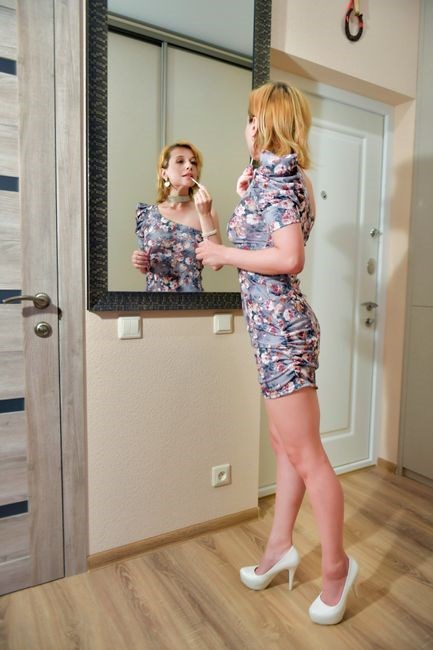
Discover why individuals embrace crossdressing: from self‑expression and confidence to exploring gender fluidity. Understanding personal motives helps build authenticity, support networks, and a sense of belonging. Reflect on your journey, celebrate identity, and grow with confidence.Enjoy!!!
Psychological Factors
Crossdressing often intertwines with complex psychological layers. Many individuals report a heightened sense of authenticity when they align outward appearance with inner identity, which can reduce cognitive dissonance and improve self‑esteem. The act of adopting a different gender presentation may serve as a coping mechanism, offering temporary relief from stress, anxiety, or depressive symptoms. For some, it provides a safe space to experiment with gender fluidity, fostering personal growth and resilience. Studies suggest that engaging in crossdressing can enhance body awareness, encouraging mindful attention to posture, voice, and mannerisms that align with desired self‑concepts. Additionally, social support networks—online forums, local meet‑ups, or therapy groups—play a crucial role in normalizing experiences and mitigating feelings of isolation. Professional counseling can help individuals navigate potential conflicts between personal identity and societal expectations, ensuring that crossdressing remains a source of empowerment rather than a trigger for psychological distress. Ultimately, the psychological benefits of crossdressing are deeply individual, rooted in the unique interplay between self‑perception, emotional regulation, and the desire for authentic self‑expression. By integrating mindful practices, such as breathing exercises and reflective journaling, individuals can deepen self‑awareness,reduce internal conflict,celebrate gender fluidity authenticity. and empower
Preparation: Body and Grooming
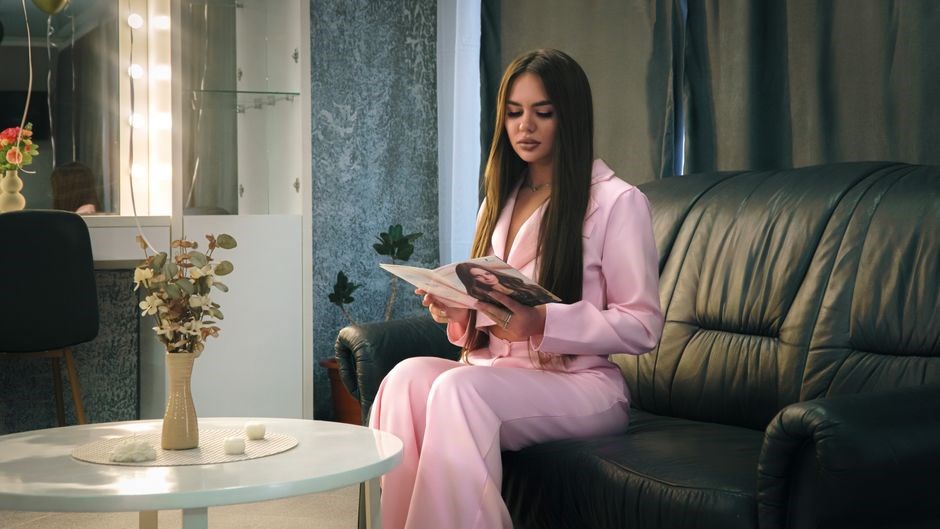
Start with a clean base: shave or trim facial hair, exfoliate skin, and moisturize. Use a gentle cleanser, then apply a light primer to smooth pores. Keep nails trimmed, and consider a subtle scent that complements your look. Consistency builds confidence. and practice daily for best results.!
Physical Grooming Tips
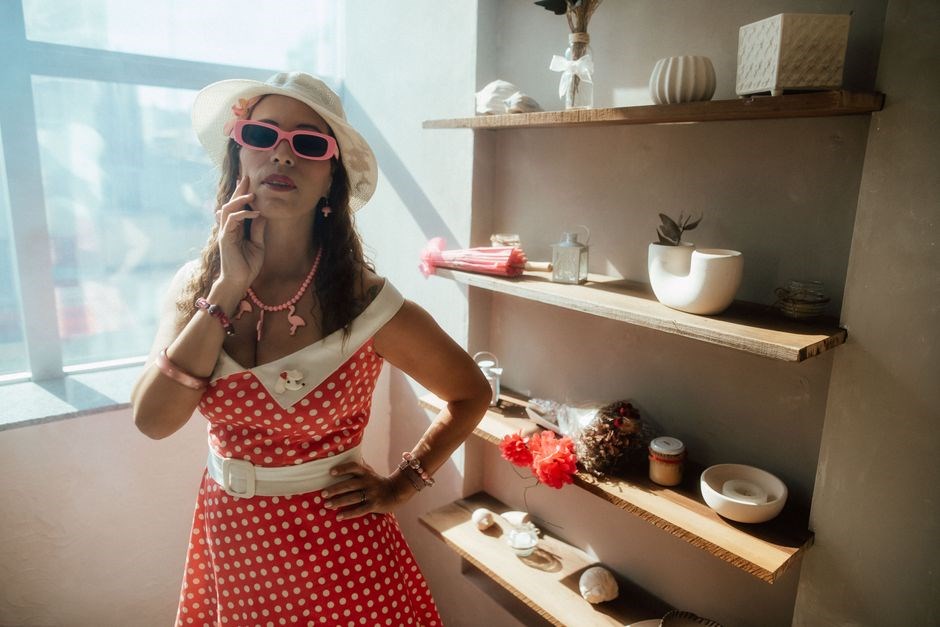
Start with a clean, smooth canvas by trimming facial hair to a tidy shape that complements your chosen look. Use a gentle cleanser suited to your skin type, followed by a light moisturizer to keep the skin supple. For a polished appearance, apply a subtle foundation or tinted moisturizer to even out tone, then set with a translucent powder to reduce shine. Pay special attention to the brows—shape them to frame the eyes, using a brow gel or pencil for definition. For eyelids, a neutral eyeshadow base followed by a soft wash of color enhances depth; finish with mascara to lift lashes. Lip care is essential—exfoliate, moisturize, and apply a matching lip balm or gloss. If you prefer a more dramatic effect, a subtle lip liner can refine shape. Finally, maintain a consistent grooming routine: trim nails, keep hair styled, and use a light fragrance that complements the overall look. These steps create a cohesive, confident presentation that feels authentic and comfortable. By consistently practicing these grooming habits, you not only refine your appearance but also build confidence, allowing you to embrace each outfit with authenticity and ease, while staying mindful of skin health and personal comfort. Additionally, experimenting with subtle variations in hair texture, nail polish shades, and accessory placement can further personalize your look, ensuring each ensemble feels uniquely yours while maintaining a polished, cohesive aesthetic. Keep!!! Stay!!
Makeup Techniques for Authenticity
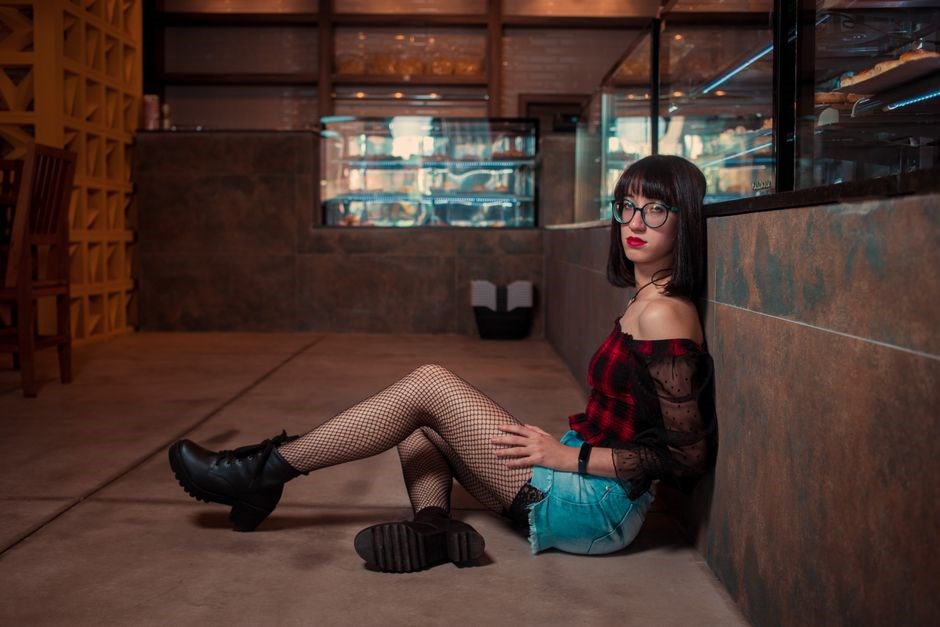
Start with a base: apply primer, foundation, and concealer to even skin tone. Use contour to shape cheekbones, add a subtle blush. Highlight brow bone and inner corners for brightness. Finish with neutral eyeshadow, soft liner, and mascara. Set with translucent powder and a finishing spray!!!
Makeup Application Guide
Mastering the look begins with a clean canvas. Start by cleansing and moisturizing to hydrate the skin, then apply a primer that smooths pores and extends wear. Choose a foundation that matches your undertone; blend with a damp sponge for a flawless finish.
For a natural base, use a light blush on the apples of the cheeks, blending outward. Highlight the high points of the face—cheekbones, brow bone, cupid’s bow, and the bridge of the nose—with a subtle shimmer to add dimension. Move to the eyes: a neutral eyeshadow palette works best; start with a matte taupe on the lid, deepen the crease with a medium brown, and finish with a soft champagne on the lid’s center.
Define the lash line with a thin line of black eyeliner, extending slightly beyond the outer corner for a lifted effect. Apply two coats of mascara to lengthen and volumize. For brows, fill in gaps with a brow pencil or powder that matches your hair color, shaping them to a natural arch. Finish with a clear or tinted brow gel.
Lip color can be bold or subtle. A classic red or a soft mauve can complement most looks. Apply a lip liner to prevent feathering, then fill with lipstick or a lip gloss. Finish with a quick dab of translucent powder around the lips to lock the color in place. Add a dusting of setting powder for a flawless finish!!!!!
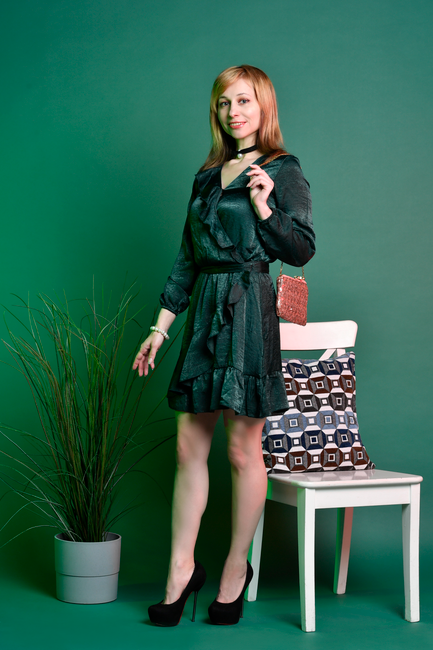
Set the entire look with a setting spray, misting from a distance to avoid streaks. Test the makeup in natural light to ensure it looks balanced. Remember, practice makes perfect—experiment with different shades and techniques to find what enhances your features and feels authentic.
Wardrobe and Styling Essentials
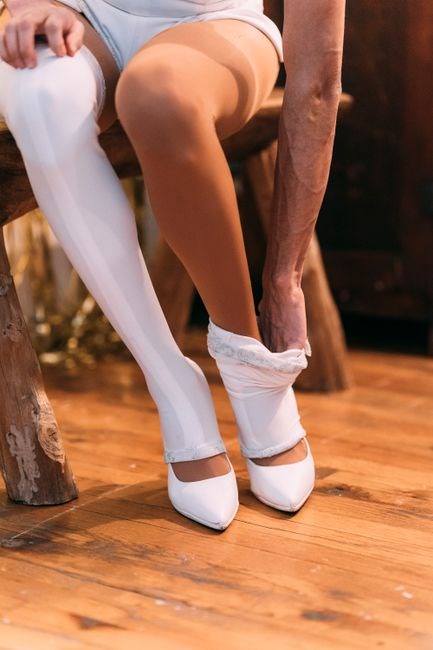
Choose fabrics that flatter your shape, such as soft cotton or silk blends. Start with foundational pieces: fitted blouses, tailored skirts, and versatile shoes. Layer with accessories—scarves, jewelry, and hats to personalize each look. Test fit, adjust, and enjoy confidence. Feel empowered.!!??
Fashion Selection Advice
Choosing garments that resonate with your style blends research, experimentation, and confidence. Start by identifying the silhouette that best complements your body shape—whether it’s a A‑line, or a structured blazer. Pay close attention to fabric weight and drape; lighter materials such as silk or chiffon create an ethereal look, while heavier fabrics like wool or brocade add structure and gravitas. and !
Color theory plays a pivotal role. Warm hues (crimson, mustard, terracotta) evoke energy, while cool tones (navy, emerald, lilac) convey calmness. Mix neutrals—black, white, gray—with accent pieces that reflect your personality. Consider seasonal palettes: pastel spring, jewel fall, and bold primary colors for winter and also and. For a balanced wardrobe,
Accessories finish the look. Belts, scarves, brooches, and hats transform a simple outfit into a statement. Match jewelry metal tones to your skin undertone: gold for warm, silver for cool, rose gold for neutral. Footwear should align with the overall aesthetic; stilettos, loafers, or ankle boots define the look. Accessories are the finishing touch.
Practicality matters. Versatile pieces that be layered. Special occasions, invest in statement items—sequined dresses, velvet blazers, or tailored jumpsuits. Test fit in natural light and consider how the garment moves with your body. Remember, confidence is the ultimate accessory; wear what makes you feel authentic and empowered. Too. Opt for versatile pieces that can be layered. For special occasions, invest in statement items—sequined dresses, velvet blazers, or tailored jumpsuits.
Support Networks and Resources
Connect with online forums, local support groups, and professional counselors. Resources like The Gender Center, Trans Lifeline, and LGBTQ+ community centers offer safe spaces, counseling, and peer support. Seek guidance, share stories, grow confidently.
Community and Professional Support
Finding a supportive network is essential for anyone exploring crossdressing. Online forums, local meet‑ups, and professional counseling can provide safety, guidance, and a sense of belonging. Many communities host regular events, from casual coffee gatherings to themed costume parties, allowing members to practice skills in a non‑judgmental setting. Professional support ranges from therapists specializing in gender identity to stylists who understand the nuances of wardrobe construction. These experts help navigate body image concerns, develop confidence, and address any emotional challenges that may arise. In addition, peer‑led workshops often cover practical topics such as makeup techniques, voice modulation, and etiquette for public appearances. Access to these resources can reduce isolation, promote self‑acceptance, and foster a positive self‑image. Whether you prefer online support groups, in‑person meet‑ups, or one‑on‑one counseling, the key is to connect with people who respect your journey and celebrate your authenticity.
- National LGBTQ+ Hotline (1‑800‑123‑4567)
- Local LGBTQ+ community centers
- Online support groups (Reddit, Discord, Facebook)
- Professional counseling directories (Psychology Today)
- Style workshops (Fashion schools, YouTube tutorials)
Confidentiality is paramount. Many platforms offer anonymous participation, ensuring you can share experiences without fear. When seeking professional help, verify credentials and ask about experience with gender expression. Therapists trained in gender‑affirming care can provide tailored strategies for coping with societal pressures, workplace dynamics, and personal relationships. Stylists and makeup artists who specialize in crossdressing can advise on fabric choices, fitting techniques, and long‑lasting wear for events. Combining community support with professional guidance creates a holistic framework that nurtures both mental well‑being and expressive confidence.
Remember, support is a two‑way street. Volunteering at community events, sharing your story, or mentoring newcomers strengthens the network and enriches your own experience. By actively participating, you help build a culture of acceptance that benefits everyone on the spectrum of gender expression. The journey is personal, but the community is a shared resource that empowers growth, resilience, and authentic living.