
owners manual for bosch dishwasher
Welcome! Your new Bosch dishwasher represents precision engineering and innovative design.
This owners manual provides essential guidance for optimal performance and longevity.
Registering your appliance at bosch-home.com/us unlocks exclusive benefits and support.
Access detailed information, including the table of contents, online for a comprehensive experience.
Registering Your Appliance
Registering your Bosch dishwasher is a crucial first step, unlocking a world of benefits designed to enhance your ownership experience. Visit bosch-home.com/us or bosch-home.com/welcome to quickly and easily register your new appliance. Creating a MyBosch account grants you access to exclusive perks, including personalized tips, extended warranty options, and priority customer support.

Registration allows Bosch to keep you informed about important software updates, helpful maintenance reminders, and exciting new features. It also streamlines the process should you ever require assistance from our dedicated service team. The owners manual emphasizes the value of this step, ensuring you receive the full support available as a valued member of the Bosch family. Don’t delay – register today and maximize your dishwasher’s potential!
Understanding the Manual
This owners manual for your Bosch dishwasher is your comprehensive guide to safe, efficient, and optimal operation. It’s structured to provide clear instructions, from initial setup and loading techniques to troubleshooting common issues. Familiarize yourself with the table of contents to quickly locate specific information.
Pay close attention to the important safety instructions detailed in Section 1, covering definitions and general safety guidelines. The manual outlines the intended use of the dishwasher, ensuring you operate it as designed. It also details installation requirements and connection procedures. Understanding the control panel, wash programs, and special options will unlock the full potential of your appliance. Keep this manual readily accessible for future reference and to maximize your Bosch dishwasher experience.
Model Number and Key Features
Locating your Bosch dishwasher’s model number – such as SHX78CM5N or SGX78C55UC – is crucial for accessing specific support and documentation. This number is essential when contacting customer service or ordering replacement parts. Refer to the appliance’s label, typically found inside the door frame.
Bosch dishwashers boast a range of key features designed for superior cleaning and convenience. These include advanced wash programs, precision spray arms, and intelligent sensors. Many models offer features like SpeedWash and Sanitize options. The steam guard plate (where applicable) enhances safety during operation. Explore the manual to fully understand and utilize these features, maximizing your dishwasher’s performance and ensuring years of reliable service. Your owners manual details these features specifically for your model.
Safety Instructions
Prioritize safety! This dishwasher requires careful installation and operation. Review important safety definitions and general safety information within the owners manual before use.
Important Safety Definitions
Understanding safety symbols is crucial for safe operation. The owners manual utilizes specific definitions to highlight potential hazards. A warning indicates a serious hazard that could result in severe injury or death if not followed correctly. Pay close attention to warnings regarding electrical connections and water supply.
A caution signifies a hazard that may result in minor or moderate injury. These often relate to proper loading techniques or cleaning procedures. The term notice provides important information about operating the dishwasher efficiently and preventing damage to the appliance. Always adhere to these guidelines.
Ignoring safety instructions can lead to dangerous situations. Familiarize yourself with each symbol and its corresponding meaning before installing, operating, or maintaining your Bosch dishwasher. Refer to the manual’s detailed explanations for a complete understanding of these vital safety definitions. Your safety and the longevity of your appliance depend on it.
General Safety Information
Prioritize safety during all stages of dishwasher use. The owners manual emphasizes several key precautions. Never allow children to operate the dishwasher unsupervised, or to play with its controls. Ensure the appliance is properly grounded to prevent electrical shock, as detailed in the installation instructions.
Do not modify or attempt to repair the dishwasher yourself. Contact a qualified technician for any service or maintenance needs. Always disconnect the power supply before cleaning or performing any maintenance tasks. Avoid using harsh chemicals or abrasive cleaners, as they can damage the appliance’s surfaces.
Exercise caution when opening the door during or immediately after a wash cycle. Steam may escape, causing burns. Properly load dishes to prevent items from shifting and causing damage. Refer to the manual for detailed loading guidelines. Following these guidelines ensures safe and efficient operation of your Bosch dishwasher.
Intended Use of the Dishwasher
This Bosch dishwasher is designed solely for household use, specifically for cleaning household dishware. The owners manual clearly states it is not intended for commercial or industrial applications. Using the dishwasher for purposes other than its intended use may void the warranty and potentially cause damage.
Only wash items that are specifically labeled as dishwasher-safe. Avoid washing delicate items, such as antique glassware or hand-painted china, unless specifically recommended by the manufacturer. The dishwasher is designed to clean standard kitchen utensils and dishes, not large or unusually shaped items.
Proper use includes adhering to the recommended detergent and rinse aid levels outlined in the manual. Overloading the dishwasher or using inappropriate cleaning agents can compromise cleaning performance and potentially damage the appliance. Following these guidelines ensures optimal functionality and longevity of your Bosch dishwasher.
Installation and Connection
Proper installation is crucial for optimal performance. Refer to the owners manual for detailed instructions regarding water supply, electrical connection, and steam guard plate installation.
Installation Requirements
Before installation, carefully review the owners manual to ensure your location meets all requirements. A stable, level floor is essential to prevent vibrations and ensure proper operation. Verify adequate space around the dishwasher for ventilation and access for maintenance.
Confirm the water supply connection is compatible and meets local plumbing codes, including appropriate pressure. The electrical connection must adhere to national and local regulations, utilizing a dedicated, grounded circuit.
Inspect the included installation material, such as the rubber apron and steam guard plate, ensuring all components are present and undamaged. Pay close attention to any specific instructions regarding the steam guard plate installation to prevent moisture damage to surrounding cabinetry. Proper grounding is vital for safety, and professional installation is recommended if you are unfamiliar with these procedures;
Connecting to Water Supply
Refer to your owners manual for detailed instructions on connecting the dishwasher to the water supply. A new, approved water supply hose is highly recommended to prevent leaks. Ensure the water supply valve is fully open after connecting the hose.
Check all connections for tightness to avoid potential water damage. The manual specifies the required water pressure for optimal dishwasher performance; verify your home’s water pressure falls within this range.
Before the first use, run the dishwasher through a rinse cycle to flush out any debris from the water line. Inspect the hose and connections again after the initial cycle to confirm there are no leaks. If leaks are detected, immediately shut off the water supply and consult a qualified plumber. Following these steps ensures a secure and reliable water connection for your Bosch dishwasher.
Electrical Connection
The owners manual provides crucial guidance for the electrical connection of your Bosch dishwasher. Important: This appliance must be properly grounded. Never attempt to modify the plug or use an adapter. Ensure the voltage and frequency specified on the dishwasher’s rating plate match your home’s electrical supply.
A dedicated circuit breaker is recommended to prevent overloading and ensure safe operation. The manual details the required amperage and fuse rating. If you are unsure about the electrical installation, consult a qualified electrician.
Do not use an extension cord. Improper electrical connections can create a fire hazard or damage the dishwasher. Always disconnect the power supply before performing any maintenance or repairs. Verify the electrical connection is secure and compliant with local electrical codes before operating the dishwasher.
Steam Guard Plate Installation
The owners manual details the proper installation of the Steam Guard Plate, a crucial component for protecting your countertops from escaping steam. This plate is specifically designed for Bosch dishwashers and prevents potential damage caused by high temperatures and moisture.
Installation typically involves securing the plate to the underside of the countertop directly above the dishwasher’s vent. The manual provides clear, step-by-step instructions, including diagrams, to ensure correct placement and a secure fit.
A rubber apron may also be included for additional protection. Proper installation of both the Steam Guard Plate and rubber apron is essential for preventing water damage and maintaining the longevity of your kitchen surfaces. Refer to the manual for specific tools and hardware requirements.
Getting Started: First Use
Before first use, consult your owners manual for the initial setup and a recommended rinse cycle. This ensures optimal cleaning performance and removes any manufacturing residue.
Initial Setup and Rinse Cycle
Prior to your first wash, carefully review the owners manual for detailed instructions regarding the initial setup of your Bosch dishwasher. This crucial step ensures optimal performance and prevents potential issues. Begin by verifying the proper installation of the steam guard plate, if applicable, as outlined in the manual.
Next, run a complete rinse cycle without detergent. This removes any residual dust or debris from the manufacturing process, guaranteeing a pristine cleaning environment for your dishes. Select a short, cool wash program for this initial cycle.
Ensure the dishwasher is connected to both a water supply and electrical power before initiating the rinse cycle. Refer to the manual for specific guidance on water connection and electrical requirements. After the rinse cycle completes, inspect the interior for any remaining residue. If necessary, repeat the rinse cycle. This initial preparation is vital for maximizing the lifespan and efficiency of your Bosch dishwasher.
Loading the Dishwasher Correctly
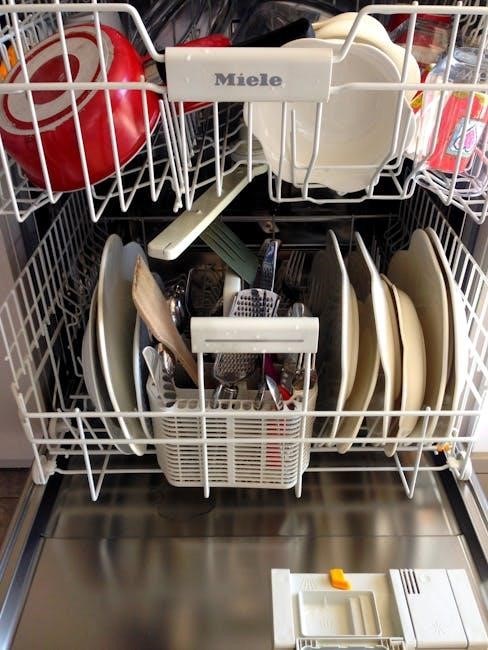
Optimal dishwashing performance relies heavily on proper loading techniques, as detailed in your owners manual. Avoid overcrowding; dishes should not touch each other to ensure thorough water circulation. Place larger items along the sides and back, leaving space for smaller items in front.
Ensure spray arms can rotate freely – obstructions hinder cleaning effectiveness. Load plates facing the center, and position bowls and pots with the soiled surfaces facing the spray. Utensils should be placed in the cutlery basket with handles down for optimal cleaning and safety.
Refer to the manual’s diagrams for specific rack configurations. Delicate items, like glassware, should be secured to prevent breakage. Incorrect loading can lead to poor cleaning results and potential damage. Following these guidelines, as outlined in the owners manual, will maximize the efficiency and lifespan of your Bosch dishwasher.
Detergent and Rinse Aid Usage
Your Bosch dishwasher’s owners manual provides crucial guidance on detergent and rinse aid. Use only dishwasher detergents specifically formulated for automatic dishwashers; hand soap will create excessive suds. The amount of detergent needed varies based on water hardness and soil level – consult the manual for recommended dosages.
Rinse aid is essential for spotless, streak-free results. It reduces water surface tension, allowing water to sheet off dishes. Regularly refill the rinse aid dispenser, adjusting the setting according to your water hardness.

Avoid overfilling detergent compartments, as this can leave residue. The owners manual details proper compartment loading. Using the correct type and amount of detergent and rinse aid, as instructed, ensures optimal cleaning performance and protects your dishwasher from damage. Refer to the manual for specific product recommendations;
Operating Your Dishwasher
Consult your Bosch dishwasher’s owners manual for detailed instructions on the control panel and wash programs.
Explore special options like Sanitize and SpeedWash for customized cleaning cycles.
Control Panel Overview
Understanding the control panel is key to efficiently operating your Bosch dishwasher. The panel typically features a digital display and various buttons or touch controls. Power and Start buttons initiate and begin cycles. Program selection buttons allow you to choose from pre-set wash programs like Auto, Normal, Delicate, and Quick Wash.
Special option buttons activate features such as Sanitize for enhanced hygiene, SpeedWash for faster cleaning, and Delay Start for convenient scheduling. Indicator lights signal the cycle’s progress, remaining time, and any active options. Some models include a rack position adjustment control. Refer to your owners manual for a detailed diagram and explanation of each button and indicator light specific to your model (e.g., SHX78CM5N, SGX78C55UC). Familiarizing yourself with these controls ensures optimal performance and customization of your dishwashing experience.
Selecting Wash Programs
Choosing the right wash program is crucial for optimal cleaning and protecting your dishes. Your Bosch dishwasher offers a variety of programs tailored to different needs. The Auto program automatically adjusts settings based on soil level, providing efficient cleaning. Normal is ideal for everyday loads with moderate soiling. For delicate items like glassware, select the Delicate program.
The Quick Wash program offers a shorter cycle for lightly soiled dishes. A Sanitize option provides enhanced hygiene by reaching higher temperatures. Refer to your owners manual for specific program details and recommended usage. Consider the load size and soil level when selecting a program. Utilizing the correct program ensures sparkling clean results and extends the life of your dishwasher and your dishes (models like SM, SB, and those covered in BOSCH DISHWASHER OPERATING INSTRUCTIONS MANUAL).
Using Special Options (e.g., Sanitize, SpeedWash)
Enhance your wash cycles with Bosch’s special options! The Sanitize option elevates water temperature for superior hygiene, ideal for baby bottles or cutting boards. SpeedWash, or similar quick cycles, drastically reduces wash time for lightly soiled loads – perfect when you’re in a hurry. Explore the Half Load option to conserve water and energy when washing smaller quantities of dishes.
Your owners manual details all available options for your specific model (SHX78CM5N, SGX78C55UC). Some models feature Extra Dry for exceptionally dry results, while others offer Delay Start for convenient operation. Remember to consult the manual for proper usage and compatibility with different wash programs. Utilizing these options allows for customized cleaning, ensuring optimal performance and addressing specific needs, as detailed in BOSCH DISHWASHER OPERATING INSTRUCTIONS MANUAL.
Maintenance and Cleaning
Regular upkeep ensures peak performance! Your owners manual details cleaning spray arms, filters, and the door seal. Consistent maintenance prevents issues and prolongs dishwasher life.
Cleaning the Spray Arms
Maintaining clean spray arms is crucial for optimal dishwashing performance. Over time, food particles and mineral deposits can clog the spray arm nozzles, reducing water pressure and cleaning effectiveness. Your Bosch dishwasher owners manual provides detailed instructions, but generally, removal is straightforward.
First, ensure the dishwasher is turned off. Locate the spray arms – typically one on the bottom and potentially one or more on the upper rack. Gently detach them by unscrewing or unclipping, as indicated in your manual.
Once removed, inspect the nozzles for blockages. Use a toothpick, fine wire, or specialized spray arm cleaning tool to carefully clear any debris. Rinse the spray arms thoroughly under running water to remove loosened particles.
Before reattaching, verify all nozzles are clear and unobstructed. Securely reattach the spray arms, ensuring they are properly aligned and fastened. Regularly cleaning the spray arms – ideally monthly – will help maintain your dishwasher’s cleaning power and extend its lifespan.
Filter Cleaning
Regular filter cleaning is paramount for maintaining your Bosch dishwasher’s performance and preventing drainage issues. Your owners manual emphasizes this routine maintenance. Food particles accumulate in the filter, hindering water circulation and potentially causing blockages.
Locate the filter assembly, usually at the bottom of the dishwasher’s interior. Consult your manual for the specific location and removal process, as designs vary slightly between models. Typically, it involves twisting and lifting the filter components.
Once removed, rinse the filter thoroughly under running water, using a soft brush to dislodge stubborn food debris. Pay attention to the fine mesh screens and ensure they are completely clear. Some models have multiple filter layers; clean each one individually.
After cleaning, carefully reassemble the filter components and securely place them back into their designated housing. A clean filter ensures efficient water flow, optimal cleaning results, and prevents unpleasant odors. Aim to clean the filter at least once a month, or more frequently with heavy use;
Cleaning the Door Seal
Maintaining a clean door seal is crucial for preventing leaks and ensuring efficient dishwasher operation, as detailed in your owners manual. Over time, food particles, detergent residue, and mineral deposits can accumulate on the seal, compromising its ability to create a watertight closure.
Regularly inspect the door seal for any visible debris or buildup. Use a damp, soft cloth or sponge to gently wipe down the entire perimeter of the seal. Avoid abrasive cleaners or scouring pads, as these can damage the rubber material.
For stubborn residue, a mild dish soap solution can be used, followed by a thorough rinse with clean water. Ensure no soap residue remains, as this could affect future wash cycles. Pay particular attention to the corners and folds of the seal, where debris tends to collect.
A clean and pliable door seal guarantees a secure closure, preventing water leakage and maximizing the dishwasher’s cleaning performance. Incorporate this simple cleaning task into your routine maintenance schedule for long-lasting reliability.
Interior Cleaning
Regular interior cleaning extends the life of your Bosch dishwasher and maintains optimal hygiene, as outlined in your owners manual. Beyond routine filter cleaning, periodic deep cleaning addresses lingering odors and prevents buildup that can affect wash performance.

Run an empty dishwasher with a dishwasher cleaner (following the product’s instructions) once a month. Alternatively, place a cup of white vinegar on the upper rack and run a hot cycle. This helps dissolve grease and mineral deposits.
Wipe down the interior walls and door with a damp cloth. Pay attention to the corners and around the spray arms. Avoid abrasive cleaners, which can scratch the stainless steel interior.
Inspect the wash arms for clogs and remove any obstructions. A clean interior ensures efficient water circulation and prevents redepositing of food particles onto dishes. Consistent cleaning contributes to a fresh-smelling and optimally functioning dishwasher.
Troubleshooting Common Issues
Refer to your owners manual for solutions to typical problems like starting failures, poor cleaning, or leaks. Error codes provide specific diagnostic information for quick resolution.
Dishwasher Not Starting
If your Bosch dishwasher fails to start, consult the troubleshooting section of your owners manual. First, verify the dishwasher is properly plugged into a functioning electrical outlet. Check your home’s circuit breaker or fuse box to ensure the circuit hasn’t tripped or blown.
Ensure the door is securely latched; the dishwasher won’t operate if the door isn’t fully closed. Also, confirm that the Start button has been pressed correctly, and that no other cycle is already in progress. Some models feature a child lock function – disable this if activated.
Review the owners manual for specific error codes displayed on the control panel, as these indicate the potential cause. If the issue persists after these checks, contact Bosch customer support or a qualified appliance technician for assistance. Ignoring a persistent starting problem could lead to further damage.
Poor Cleaning Performance
Experiencing unsatisfactory cleaning results? Your owners manual offers solutions. First, ensure proper loading techniques are followed – avoid overcrowding and blockages. Verify the spray arms are clear of debris and rotate freely; refer to the maintenance and cleaning section for instructions.
Confirm you’re using the correct amount of detergent and rinse aid, adjusted for water hardness. Insufficient detergent or incorrect settings can significantly impact cleaning. Select the appropriate wash program for the load type and soil level. Regularly clean the filter, as a clogged filter restricts water flow and reduces cleaning effectiveness.
Check the water temperature; it should be at least 120°F (49°C) for optimal results. If problems persist, consult the troubleshooting guide in your owners manual for further assistance and potential solutions.
Leaking Issues
Discovering water leaks from your Bosch dishwasher? Your owners manual provides guidance for diagnosis and resolution. Initially, inspect the door seal for damage or debris, ensuring a tight closure. Check the water supply and drain hoses for any cracks, kinks, or loose connections. Refer to the installation and connection section for proper hose attachment.
Verify the dishwasher is level; an uneven appliance can cause leaks. Examine the area around the spray arms and internal components for potential sources of leakage. Ensure the filter is correctly installed and sealed. If the leak originates during a specific wash cycle, consult the operating your dishwasher section to confirm correct program selection.
For persistent leaks, consult the troubleshooting section of your owners manual or contact Bosch customer support for professional assistance. Safety first – disconnect power before inspecting internal components.
Error Codes and Their Meanings
Encountering an error code on your Bosch dishwasher? Your owners manual is the key to understanding these signals. These codes indicate specific issues requiring attention. Common codes relate to water supply problems (e.g., insufficient water pressure), drainage issues (e.g., clogged drain), or sensor malfunctions.
The manual provides a detailed list of error codes and their corresponding meanings, along with suggested solutions. For example, a specific code might indicate a blocked filter, requiring cleaning as detailed in the maintenance and cleaning section. Others may signal a need to check the water supply connection or contact a qualified technician.
Refer to the troubleshooting section of your owners manual for a comprehensive list. Note the code, and consult the manual before attempting any repairs. Ignoring error codes can lead to further damage. Bosch support can also assist with decoding unfamiliar errors.