
bmw e46 manual transmission
BMW E46 Manual Transmission: A Comprehensive Guide
This guide details the BMW E46’s manual transmission, covering common issues, maintenance, repair options, and upgrades for enthusiasts and owners alike.
The BMW E46 chassis, produced from 1998-2006, is renowned for its engaging driving experience, and a key component of that is its manual transmission. Offered across various models like the 323i, 325i, 325xi, 328i, and 330i, the E46’s manual gearbox provides a direct connection between driver and machine. Typically, two main transmission types were utilized: the Getrag 220 and the Getrag 265.
The Getrag 220 is the more common variant, found in most E46 models, while the Getrag 265 was reserved for higher-performance versions. Understanding the nuances of these transmissions – their strengths, weaknesses, and potential issues – is crucial for any E46 owner or enthusiast. This guide aims to provide a comprehensive overview, covering everything from routine maintenance to troubleshooting common problems and exploring upgrade options.
E46 Manual Transmission Models & Variations
The BMW E46 offered a selection of manual transmissions, primarily differentiated by their gear ratios and strength. The most prevalent is the Getrag 220, a robust five-speed unit found in the 323i, 325i, and early 328i models. It’s known for its reliability and relatively straightforward rebuild process.
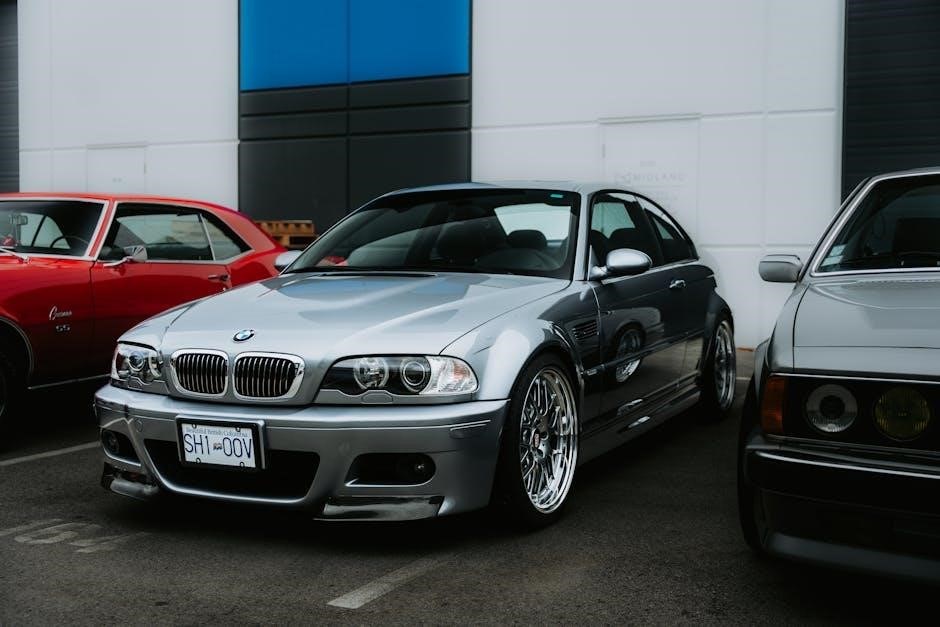
For higher-performance variants like the 328i (later models) and 330i, BMW utilized the Getrag 265, a six-speed transmission designed to handle increased torque. This gearbox features closer gear ratios for improved acceleration and overall driving dynamics. While stronger, the 265 can be more complex to repair. Variations within each model also existed based on production date and specific vehicle configuration, impacting final drive ratios and overall performance characteristics.
Common Issues with the E46 Manual Transmission
E46 manual transmissions, while generally durable, are prone to certain issues with age and mileage. Frequent complaints include worn synchronizers, leading to grinding during gear changes, particularly second and third gear.
Another common problem is bushing wear within the shift linkage, resulting in sloppy or imprecise shifting. Internal wear within the gearbox itself, such as worn gears or bearings, can cause noise and eventual failure. Clutch-related issues, like a failing throw-out bearing or a worn clutch disc, often manifest as difficulty shifting or a slipping clutch. Ignoring these symptoms can lead to more extensive and costly repairs down the line, impacting the driving experience.

Gear Selection Problems
Difficulty selecting specific gears is a frequent complaint with the E46 manual transmission. This often presents as an inability to engage a gear, requiring multiple attempts or forcing the shifter. A common cause is worn synchronizers, making smooth engagement impossible, especially with quicker shifts.
Issues with the shift linkage, including worn bushings or a bent linkage, can also contribute to imprecise gear selection. Internal transmission damage, like bent shift forks, can physically prevent gear engagement. Sometimes, a failing clutch can feel like a gear selection problem, as incomplete disengagement hinders smooth shifting. Thorough diagnosis is crucial to pinpoint the root cause and avoid misdiagnosis.
Difficulty Shifting into Gear
Experiencing resistance or a struggle when attempting to shift gears in your E46’s manual transmission is a common symptom of underlying issues. This can manifest across all gears or be isolated to specific ones, like first or reverse. A primary suspect is often the clutch; incomplete disengagement prevents the transmission from smoothly engaging the selected gear.
Low or contaminated transmission fluid can also increase shift effort. Worn synchronizers, responsible for matching gear speeds, contribute to grinding and difficulty. External factors, such as a worn shift linkage or damaged bushings, can create mechanical resistance. Proper diagnosis requires evaluating the clutch, fluid condition, and internal transmission components to determine the precise cause.

Grinding Gears
A distinct grinding noise during gear changes on your BMW E46’s manual transmission signals a mismatch in rotational speeds between the gear and the synchronizer. This typically occurs when attempting to shift too quickly or without fully depressing the clutch pedal. Worn synchronizer rings are the most frequent culprit, failing to properly equalize speeds before engagement.
Low transmission fluid levels can exacerbate the issue, reducing lubrication and increasing friction. A damaged clutch disc or pressure plate can also contribute, preventing complete disengagement. Ignoring grinding noises can lead to more significant transmission damage, including stripped gears. Prompt diagnosis and repair are crucial to prevent costly replacements.
Identifying the Root Cause of Transmission Issues
Pinpointing the source of problems within the E46’s manual transmission requires a systematic approach. Begin with a thorough inspection of the clutch system – disc wear, pressure plate condition, and throw-out bearing functionality are key. Next, assess the transmission fluid level and condition; low or contaminated fluid impacts performance.
Listen carefully for unusual noises during operation, noting when they occur (shifting, acceleration, deceleration). Check for leaks around the transmission housing and driveshaft. Diagnostic tools can read error codes, though manual transmissions rarely trigger these. Consider the symptoms: grinding, difficulty shifting, or noise – each points towards specific components needing attention.
Checking Transmission Fluid Level (Manual)
Unlike automatic transmissions, checking the fluid level in an E46’s manual gearbox isn’t a routine task, as it’s a sealed unit. However, inspecting for leaks is crucial. Locate the fill and check plugs on the transmission casing – typically requiring special tools for removal. With the vehicle on a level surface, and the transmission warmed up (but not hot), carefully remove the check plug.
Fluid should be level with the plug’s opening. If low, use the correct BMW-specified gear oil to fill via the fill plug. Overfilling is as detrimental as underfilling. Regularly inspect for oil spots under the car, indicating potential seal failures. Remember, fluid changes are recommended maintenance, even without visible leaks.

Inspecting Clutch Components
A thorough clutch inspection is vital when diagnosing E46 manual transmission issues. Begin by assessing clutch pedal feel – should be firm and consistent. Check for slippage during acceleration, particularly in higher gears. Removing the transmission allows visual inspection of key components.
Clutch Disc: Examine for wear, cracking, or oil contamination. Pressure Plate: Inspect the friction surface for even wear and heat discoloration. Look for broken springs. Throw-Out Bearing: Check for smooth operation and any signs of noise or damage. A worn throw-out bearing often causes squealing when the clutch pedal is depressed.
Clutch Disc Wear
Assessing clutch disc wear is crucial for identifying transmission problems in the E46. Normal wear reduces the friction material’s thickness, leading to slippage and difficulty engaging gears. Measure the disc’s remaining thickness; BMW specifies minimum allowable limits. Uneven wear indicates potential issues like a warped pressure plate or a misaligned clutch.
Look for signs of heat damage, such as blueing or cracking, which signify excessive slippage. Oil contamination drastically reduces friction, causing immediate slippage. Inspect the disc’s springs for proper tension and any signs of breakage. A severely worn or damaged clutch disc necessitates replacement to restore proper transmission function.
Pressure Plate Inspection
A thorough pressure plate inspection is vital when diagnosing E46 manual transmission issues. Examine the surface for heat cracks, warping, or signs of uneven wear. These defects prevent consistent clutch engagement and can cause slippage or shuddering. Check the diaphragm spring for cracks or deformation; a weakened spring reduces clamping force.
Inspect the release fingers for smooth operation and equal height. Uneven fingers lead to incomplete clutch disengagement. Verify the plate’s overall flatness using a straight edge. Any noticeable deviation indicates warping. A failing pressure plate often accompanies a worn clutch disc, so replacement is typically recommended as a set for optimal performance and reliability.
Throw-Out Bearing Issues
The throw-out bearing (release bearing) facilitates smooth clutch disengagement in the E46’s manual transmission. A failing bearing often manifests as a squealing or chirping noise when the clutch pedal is depressed. This sound typically disappears when the pedal is released. Excessive play in the bearing indicates wear, leading to difficulty shifting and potential clutch drag.
Inspect the bearing’s surface for pitting, corrosion, or roughness. These conditions cause friction and noise. A seized bearing prevents complete clutch disengagement, making shifting impossible. Replacement is crucial during clutch service, as continued use can damage the pressure plate and flywheel. Ignoring throw-out bearing symptoms can lead to more extensive and costly transmission repairs.
DIY Maintenance for the E46 Manual Transmission
Performing regular DIY maintenance extends the life of your E46’s manual transmission. The most crucial task is a manual transmission fluid change, typically recommended every 30,000-60,000 miles. Use BMW-approved fluid for optimal performance. Clutch adjustment, while less frequent, ensures proper engagement and disengagement. Inspect clutch cable play (if applicable) and adjust as needed.
Regularly check for leaks around the transmission housing and driveshaft. Address any leaks promptly to prevent fluid loss and potential damage. Simple visual inspections of clutch lines and components can reveal early signs of wear. Remember safety first – always use jack stands when working under the vehicle!
Manual Transmission Fluid Change Procedure
Begin by warming up the transmission with a short drive. Securely lift the vehicle and support it with jack stands. Locate the drain and fill plugs on the transmission housing. Carefully remove the drain plug, allowing the old fluid to drain completely into a suitable container.
Once drained, reinstall the drain plug with a new crush washer. Using a pump, slowly fill the transmission with the recommended BMW fluid through the fill plug. Check the fluid level periodically, adding fluid until it reaches the correct height. Reinstall the fill plug securely. Lower the vehicle and verify there are no leaks. Properly dispose of the used fluid.
Clutch Adjustment
Proper clutch adjustment is crucial for smooth shifting and preventing premature wear. Begin by loosening the clutch cable adjuster locknut. Adjust the cable until approximately 1/2 inch of free play exists at the clutch pedal. This ensures the clutch isn’t slipping when the pedal is released.
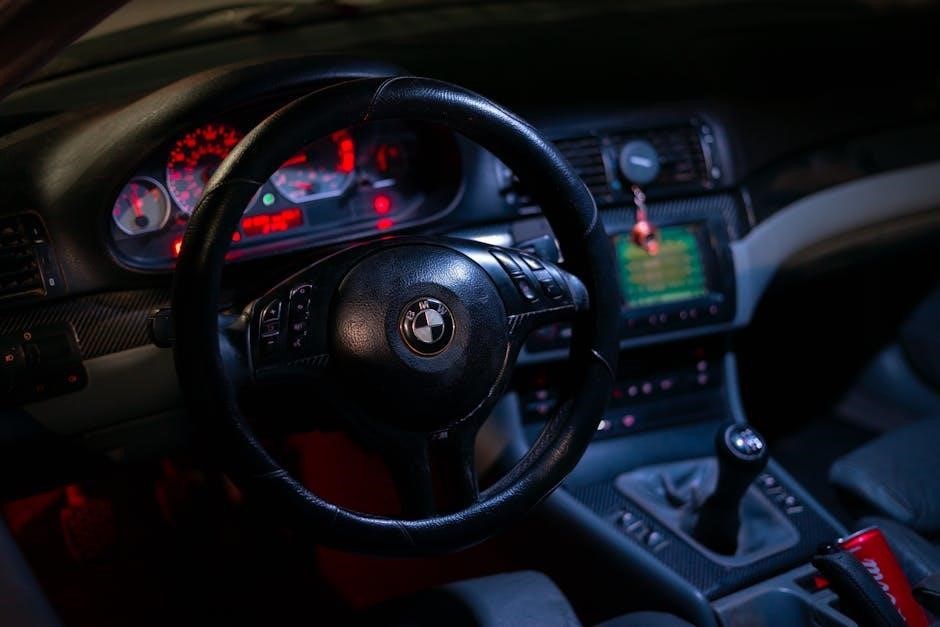
Tighten the locknut securely after achieving the correct free play. Test the clutch engagement point; it should be roughly in the middle of the pedal travel. If engagement is too high or low, repeat the adjustment process. Incorrect adjustment can lead to difficulty shifting, clutch slippage, or a constantly engaged clutch.
Specific E46 Manual Transmission Types
The BMW E46 utilized primarily two manual transmission options: the Getrag 220 and the Getrag 265. The Getrag 220, the most common, was paired with the 4-cylinder engines (318i, 318ti) and early 323i/325i models. It’s known for its durability and relatively simple construction, making it a reliable choice for daily driving.
The Getrag 265, a stronger unit, was reserved for the higher-performance E46 variants like the 330i, 330Ci, and M3. This transmission features larger gears and a more robust housing to handle the increased power output. Identifying your transmission type is vital when sourcing parts or performing repairs, as components are not always interchangeable.
Getrag 220 (Most Common)
The Getrag 220, found in many E46 models, is a 5-speed manual transmission celebrated for its dependability. Commonly paired with the M42, M43, and M52 engines, it offers a smooth and predictable shifting experience suitable for everyday use. While generally robust, age and high mileage can lead to common issues like worn synchros, particularly in 2nd and 3rd gear.
Identifying features include its casting number and relatively compact size. Replacement parts are readily available and comparatively affordable. Owners often report successful long-term ownership with regular fluid changes and mindful driving habits. It’s a solid foundation for a modified E46, though higher horsepower builds may necessitate upgrading to the stronger Getrag 265.
Getrag 265 (For High-Performance Models)
The Getrag 265 is a 6-speed manual transmission primarily found in E46 M3 models, designed to handle significantly more power than the 220. It boasts stronger internal components, including larger gears and a more robust housing, making it ideal for high-performance applications and modifications. This transmission offers closer gear ratios, enhancing acceleration and track performance.
Identifying features include its larger size and distinct casting number. While durable, the 265 isn’t immune to wear; common issues include differential wear and occasional synchro problems. Parts are generally more expensive and harder to source than those for the 220. It’s a popular upgrade for E46 models undergoing engine swaps or significant power increases, providing a substantial improvement in drivetrain strength.
Troubleshooting Common Symptoms
Diagnosing E46 manual transmission issues starts with recognizing the symptoms. Transmission noise, like whining or clunking, often indicates bearing or gear wear. Difficulty shifting, especially grinding gears, points towards clutch problems, synchro issues, or low/contaminated fluid. Shifting problems at specific speeds can suggest bent shift forks or worn linkage.
Pay attention to when the symptoms occur – cold vs. warm, specific gears, or under load. A slipping clutch manifests as engine revving without proportional speed increase. A heavy pedal feel could indicate a failing clutch master or slave cylinder. Thoroughly inspect fluid levels and condition; metallic flakes signal internal damage. Careful observation and methodical testing are crucial for accurate diagnosis.
Transmission Noise Diagnosis
Identifying the source of transmission noise is key to effective repair. Whining sounds often originate from worn bearings within the gearbox, potentially requiring a rebuild. Clunking noises, particularly when shifting, can indicate worn or broken synchros, or loose internal components. A grinding noise usually points to gear damage or a failing clutch.
Pinpointing the noise’s origin requires careful listening. Does it change with speed, gear selection, or engine load? Use a mechanic’s stethoscope to isolate the sound. Differentiating between transmission, clutch, and differential noise is crucial. Metallic rattling suggests internal damage, while a consistent hum might indicate bearing wear. Ignoring unusual noises can lead to catastrophic failure.
Shifting Problems at Specific Speeds
Experiencing difficulty shifting only at certain speeds suggests specific component wear. Trouble engaging gears at low speeds often points to a worn clutch disc or a failing throw-out bearing, hindering complete disengagement. Difficulty shifting into higher gears at highway speeds could indicate worn synchros, struggling to match rotational speeds.
Consider the conditions when the issue occurs. Is it only when cold, or after prolonged driving? This helps narrow down the cause. A speed-sensitive issue might also relate to the transmission mounts, allowing excessive movement. Inspect the shift linkage for play, as this can exacerbate problems. Accurate diagnosis requires careful observation and potentially, professional inspection.
Repair Options & Costs
E46 manual transmission repairs vary widely in cost depending on the issue and chosen approach. DIY repairs, like a clutch replacement, can cost $300-$600 for parts, but require significant mechanical skill. A professional clutch replacement typically ranges from $800 to $1500, including labor.
More complex issues, like synchro replacement or transmission rebuilds, are best left to professionals. A rebuild can cost $1500-$3000+, depending on the extent of damage. Replacing a TCC solenoid (though typically for automatics, similar valve body issues can occur) is around $150-$300 plus labor. Weigh the cost of repair against the vehicle’s value before proceeding.
DIY Repair vs. Professional Service
Deciding between DIY and professional service for your E46’s manual transmission depends on your skill level and the repair’s complexity. Simple tasks like fluid changes or clutch adjustments are manageable for experienced DIYers with the right tools. However, internal transmission work – synchro replacement, gear repairs – demands specialized knowledge and equipment.

Professional service ensures accurate diagnosis and repair, but comes at a higher cost. Incorrect DIY repairs can worsen the problem or cause further damage. Consider your comfort level, available time, and the potential consequences before attempting a repair yourself. A misdiagnosis can lead to unnecessary expenses, regardless of who performs the work.
Typical Repair Costs for Common Issues
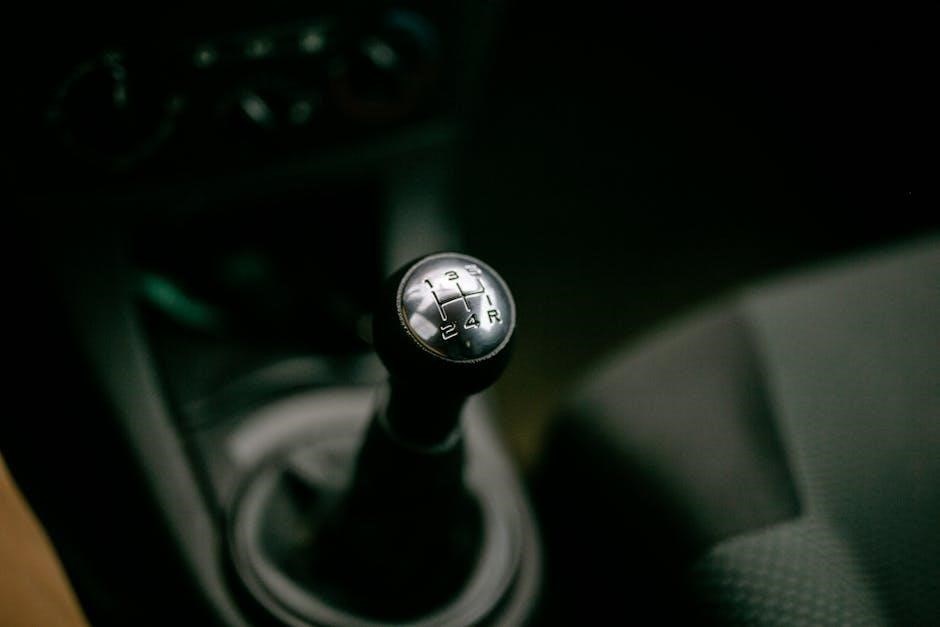
Repair costs for the E46 manual transmission vary significantly based on the issue and labor rates. A clutch replacement typically ranges from $600 to $1200, including parts and labor. Synchro replacements can cost $500-$1000 per gear, depending on accessibility. Transmission fluid changes are relatively inexpensive, around $150-$300.
More complex repairs, like a full transmission rebuild, can exceed $2000. Replacing a TCC solenoid (though related to automatics, illustrates component costs) is around $17 plus labor. Diagnostic fees can add $100-$200 to the initial assessment. Obtaining quotes from multiple shops is crucial for comparison, and remember to factor in potential unforeseen issues discovered during the repair process.
Upgrading the E46 Manual Transmission
Enhancing the E46’s manual transmission can significantly improve driving experience. A short shifter installation, costing $150-$400 plus labor, reduces throw for quicker shifts. Upgrading to a stronger clutch, like a performance organic or ceramic disc, ranges from $300 to $800 for the kit. Consider a heavier flywheel ($200-$500) for improved engine response.
For high-horsepower builds, a complete transmission swap might be necessary. Exploring options like a Getrag 265 (found in higher-performance E46 models) can provide increased durability. Budget $800-$1500 for a used transmission and additional costs for installation and potentially a custom driveshaft.
Short Shifter Installation
Installing a short shifter on your E46 dramatically improves shift feel and speed. These kits typically replace the selector rod with a shorter version, reducing the distance between gears. Installation is a moderate DIY project, requiring basic tools and mechanical aptitude, taking roughly 2-4 hours.
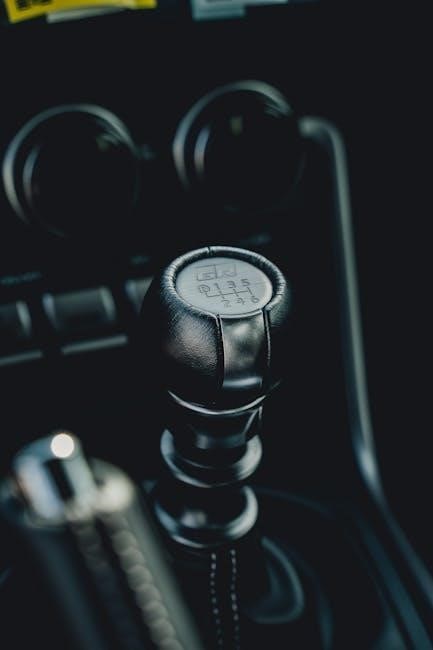
Expect to spend between $150 and $400 for a quality short shifter kit. Popular brands include B&B and Turner Motorsport. The process involves removing the center console, shifter linkage, and carefully installing the new components. Proper adjustment is crucial for smooth operation; follow the manufacturer’s instructions closely.
Stronger Clutch Options
For E46s experiencing increased power or frequent track use, upgrading the clutch is essential. Stock clutches can struggle with modifications, leading to slippage and premature wear. Several options exist, ranging from enhanced organic clutches to full ceramic or multi-plate setups.

Expect to pay between $300 and $800+ for a performance clutch kit, depending on the type and brand. Organic clutches offer improved holding power with minimal drivability changes, while ceramic clutches provide maximum grip but can be harsher for daily driving. Installation requires transmission removal, making it a more complex job best left to professionals.
Resources for E46 Manual Transmission Information
Numerous online resources cater to E46 owners seeking manual transmission knowledge. E46 Fanatics Forums (e46fanatics.com) provide a vibrant community for discussions, troubleshooting, and DIY guides. Pelican Parts Technical Articles (pelicanparts.com) offer detailed repair procedures and diagrams, invaluable for self-maintenance.
BMW Technical Service Bulletins (TSBs), often found on enthusiast sites, detail known issues and official repair recommendations. Reddit’s r/AskMechanics can provide quick answers from experienced professionals. These platforms collectively offer a wealth of information, helping owners diagnose problems, find parts, and successfully maintain their E46’s manual transmission.
E46 Fanatics Forums
E46 Fanatics Forums (e46fanatics.com) represent a cornerstone resource for BMW E46 owners, particularly those dealing with manual transmission concerns. The forum boasts dedicated sections for drivetrain and transmission issues, fostering a collaborative environment where members share experiences, diagnostic tips, and repair solutions;
Users frequently discuss symptoms like grinding gears, difficulty shifting, and clutch problems, often referencing specific threads detailing successful fixes. The forum’s search function allows easy access to past discussions, and members often share links to relevant Pelican Parts articles or TSBs. It’s a valuable platform for both novice and experienced E46 enthusiasts.
Pelican Parts Technical Articles
Pelican Parts (pelicanparts;com) provides a wealth of technical articles specifically addressing the BMW E46’s manual transmission. These articles offer detailed, step-by-step guides for DIY maintenance and repair, including procedures for manual transmission fluid changes and clutch replacements.
The site features expert advice from technicians like Nick, who addresses common issues such as uphill struggle potentially linked to low transmission fluid. Articles often include high-quality photos and diagrams, making complex procedures easier to understand. Pelican Parts also offers a comprehensive catalog of E46 parts, facilitating repairs. Their resources are invaluable for owners seeking to maintain or restore their E46’s manual transmission.
BMW Technical Service Bulletins (TSBs)
BMW Technical Service Bulletins (TSBs) represent official communications from BMW addressing known issues and recommended repair procedures for the E46’s manual transmission. While specific TSBs directly referencing manual transmission problems are less prevalent than those for automatics, related bulletins concerning driveline vibrations or shift quality can offer valuable insight.
Accessing these TSBs often requires a subscription to a BMW technical information database. They detail specific symptoms, diagnostic steps, and approved repair solutions. Investigating TSBs related to clutch hydraulics, shifter linkage, or transmission mounts can indirectly address manual transmission concerns. Consulting these bulletins ensures repairs align with BMW’s engineering standards and can prevent recurring issues.