bilstein 5100 install instructions
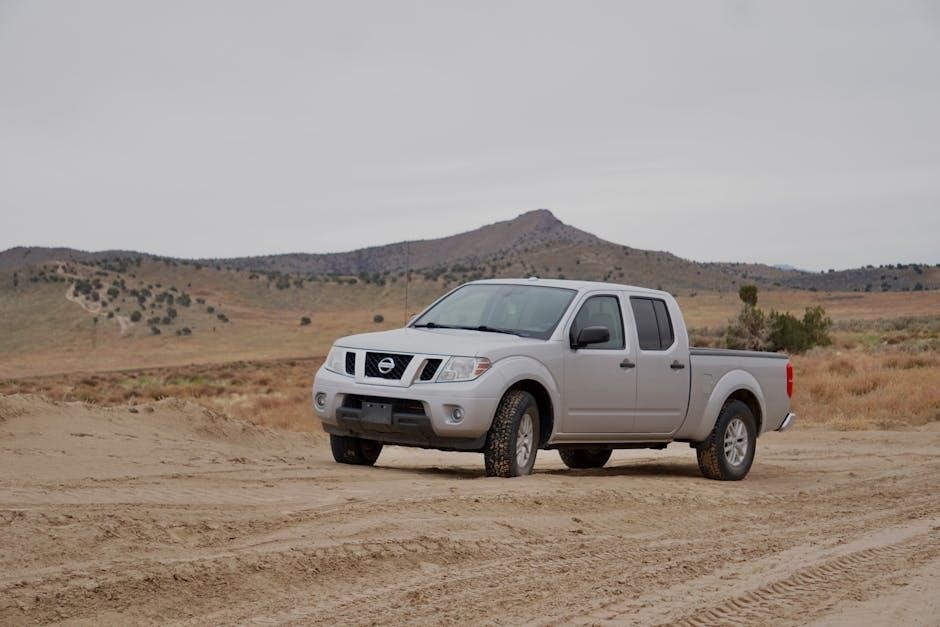
Bilstein 5100 shocks offer a significant upgrade for Tacoma and Ram 2500 owners‚ enhancing both on and off-road performance․ Many users report improved ride quality․
This guide details the installation process‚ covering preparation‚ step-by-step instructions‚ and post-installation checks for optimal results․ Expect a transformative experience!
Overview of the Bilstein 5100 Series
Bilstein 5100 shocks are monotube‚ high-pressure gas shocks designed specifically for trucks and SUVs․ They represent a popular choice for those seeking improved handling and control without drastically altering ride height․ Unlike some adjustable systems‚ the 5100 series focuses on providing a direct‚ performance-oriented upgrade over stock components․
These shocks are known for their durability and ability to withstand demanding conditions‚ making them suitable for both daily driving and moderate off-road use․ Many Tacoma owners‚ as evidenced by forum discussions‚ choose the 5100s as a first step in suspension improvements․ They offer a noticeable difference‚ particularly in reducing body roll and improving overall stability‚ without the complexity or cost of more advanced systems like the Bilstein 6112․
Benefits of Installing Bilstein 5100 Shocks
Installing Bilstein 5100 shocks delivers several key advantages for your vehicle․ Users consistently report enhanced ride comfort‚ even on rough terrain‚ with a noticeable reduction in body roll during cornering․ The monotube design provides more consistent damping performance compared to traditional twin-tube shocks‚ improving overall control․
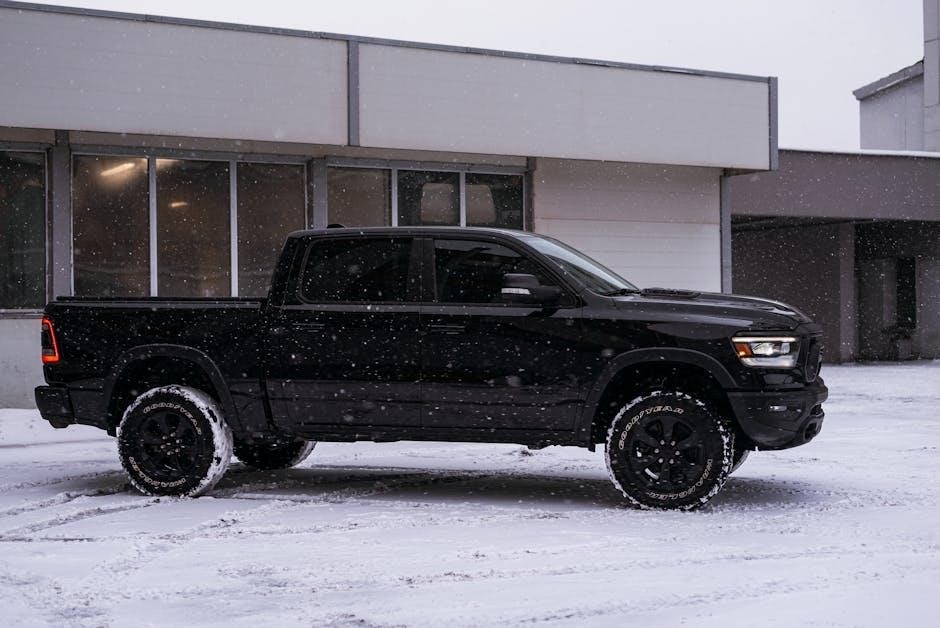
For truck owners like those with Ram 2500s or Tacomas who occasionally tow‚ the 5100s help maintain stability and reduce sway․ While not a “transformative” change for all setups‚ as some forum members note‚ they are a significant step up from stock․ They effectively dull washboard roads and handle moderately chunky terrain‚ offering a balanced improvement for daily driving and light off-roading․

Tools and Parts Required
Essential tools include a jack‚ jack stands‚ wrenches‚ sockets‚ and torque wrench․ The Bilstein 5100 kit provides shocks‚ while additional parts may be needed․
Essential Tools for Installation
Successfully installing Bilstein 5100 shocks requires a specific set of tools to ensure a safe and efficient process․ A robust jack and sturdy jack stands are paramount for lifting and supporting the vehicle securely․ A comprehensive socket set‚ including various sizes‚ is crucial for removing and installing bolts․
You’ll also need a reliable wrench set‚ ideally both standard and metric‚ to handle different fasteners․ A torque wrench is absolutely essential for tightening bolts to the manufacturer’s specifications‚ preventing damage or loosening․ Don’t forget penetrating oil to help with stubborn bolts!
Gloves and safety glasses are recommended for protection․
Bilstein 5100 Shock Kit Contents
A standard Bilstein 5100 shock kit typically includes four shocks – two for the front and two for the rear – designed specifically for your vehicle’s year and model․ You’ll find new bump stops included‚ which are vital for preventing suspension bottoming out․ Often‚ kits contain dust boots to protect the shock shafts from debris and extend their lifespan․
However‚ it’s important to note that most kits do not include springs‚ upper control arms‚ or other mounting hardware․ Carefully inspect the kit contents upon arrival to ensure all listed components are present before beginning the installation process․
Additional Parts You Might Need
Beyond the Bilstein 5100 kit‚ several additional parts can enhance the installation and overall performance․ For lifted applications‚ or if your existing springs are worn‚ consider replacing them with new coil springs suited for your desired ride height․ Upper control arms are often recommended‚ especially for lifted trucks‚ to correct ball joint angles․
Depending on your vehicle’s condition‚ you might need new shock mount bolts‚ as the originals can become corroded and difficult to remove․ A torque wrench is essential for proper tightening․ Finally‚ penetrating oil is invaluable for loosening stubborn fasteners․

Pre-Installation Preparation
Safety first! Secure your vehicle properly with jack stands․ Gather your vehicle’s year and model information‚ and understand the shock settings for optimal ride height․
Vehicle Safety Precautions
Prioritize safety throughout the Bilstein 5100 installation process․ Always work on a level surface and engage the parking brake firmly․ Crucially‚ utilize high-quality jack stands to support the vehicle after lifting it with a jack – never work under a vehicle supported only by a jack․
Disconnect the negative terminal of the battery to prevent accidental electrical shorts․ Wear safety glasses to protect your eyes from debris․ If you lack experience with automotive repairs‚ consider seeking assistance from a qualified mechanic․ Proper safety measures are non-negotiable for a successful and injury-free installation․
Gathering Necessary Information (Vehicle Year/Model)
Accurate vehicle information is paramount for a correct Bilstein 5100 installation․ Confirm your truck’s exact year‚ make‚ and model – a 2019 Tacoma Off Road requires different parts than a Ram 2500 4×4․ This detail dictates the correct shock part numbers and potentially spring rates․
Consult Bilstein’s website or a reputable automotive parts retailer using your Vehicle Identification Number (VIN) to ensure compatibility․ Knowing if your truck has specific options‚ like a Demello front bar‚ is also vital․ Incorrect parts can lead to poor performance or even safety hazards․
Understanding Shock Settings & Ride Height
Bilstein 5100 shocks offer adjustable settings‚ influencing ride comfort and handling․ For a daily driver like a Ram 2500‚ maximizing height isn’t always beneficial; Bilstein tech support suggests minimal gain in such scenarios․ Understanding these settings is crucial․
The chosen setting impacts how the shock responds to bumps and body roll․ Higher settings generally provide firmer control‚ ideal for off-road use‚ while lower settings prioritize comfort․ Consider your primary driving conditions and desired ride quality when selecting a position․ Experimentation may be needed․
Front Bilstein 5100 Installation
Removing stock front shocks is the initial step‚ followed by carefully installing the Bilstein 5100 units․ Proper alignment and torque are essential for safe operation․
Removing the Stock Front Shocks
Begin by safely lifting the front of the vehicle and securing it with jack stands․ Never work under a vehicle supported only by a jack! Loosen the lug nuts on the front wheels‚ then remove the wheels entirely․ Locate the shock absorber mounting bolts – both at the upper control arm and the lower control arm or frame․
Spray penetrating oil on these bolts several hours‚ or even a day‚ before attempting removal‚ especially if corrosion is present․ Use the appropriate socket or wrench to carefully remove the lower shock mount bolt first‚ then the upper․ Support the strut assembly as the final bolt is removed to prevent damage․ Once free‚ carefully remove the entire shock assembly․
Installing the Bilstein 5100 Front Shocks
With the stock shocks removed‚ prepare the Bilstein 5100 shocks for installation․ Carefully align the new shock assembly with the upper and lower mounting points․ Insert the shock’s mounting stud through the corresponding holes in the control arm and frame․
Install the provided washers and nuts‚ but do not fully tighten them yet․ Repeat this process for both the upper and lower mounting points․ Ensure the shock is properly seated before proceeding․ Once both sides are loosely assembled‚ double-check alignment and then begin tightening the bolts to the manufacturer’s specified torque․
Setting the Front Shock Valving (Tacoma Specific)
For Tacoma owners‚ Bilstein 5100 shocks offer adjustable ride height and valving settings․ These settings directly impact handling and ride comfort․ Begin by understanding your vehicle’s intended use – primarily commuting or off-road adventures․ If used as a daily driver‚ a lower setting provides a smoother on-road experience․
For more aggressive off-road performance‚ consider a higher setting․ Bilstein tech support suggests that for pavement princess scenarios‚ there’s minimal benefit to waiting for the 6112 model․ Adjust the clip positions accordingly‚ ensuring they are securely fastened before final torque․

Rear Bilstein 5100 Installation
Rear shock replacement is generally straightforward‚ but consider potential mounting challenges․ Ensure proper alignment and torque specifications are followed for optimal performance and safety․
Carefully inspect the shock mounts for corrosion or damage before installation‚ addressing any issues promptly․
Removing the Stock Rear Shocks
Begin by safely lifting the rear of the vehicle and securing it with jack stands․ Never work under a vehicle supported only by a jack! Locate the lower shock mount bolts and spray them with penetrating oil if they appear rusted or seized – dealing with stuck bolts is a common issue․
Using the appropriate socket‚ carefully remove the lower shock mount bolts․ Support the axle to prevent excessive droop once the shocks are disconnected․ Next‚ access the upper shock mounts‚ typically located within the truck bed․ Remove any necessary trim panels or cargo to gain access․
Unbolt the upper shock mounts‚ and then carefully remove the stock shocks․ Be mindful of any brake lines or other components that may be routed near the shocks․ Inspect the shock mounts for any damage or corrosion and address it before proceeding with the installation of the new Bilstein 5100 shocks․
Installing the Bilstein 5100 Rear Shocks
With the stock shocks removed‚ carefully position the new Bilstein 5100 rear shocks into place․ Align the upper shock mounts with the corresponding holes in the vehicle frame‚ ensuring proper orientation․ Install the upper shock bolts and tighten them to the manufacturer’s specified torque․
Next‚ align the lower shock mounts with the axle mounting points․ Install the lower shock bolts‚ again tightening them to the correct torque specification․ Double-check that all bolts are securely fastened․
Ensure the shock isn’t binding and has free movement․ Repeat the process for the other side‚ verifying alignment and torque on both shocks․
Addressing Rear Shock Mount Considerations
Inspect the rear shock mounts for any signs of corrosion or damage before installing the Bilstein 5100 shocks․ If rust is present‚ carefully clean the mounting surfaces with a wire brush to ensure a solid connection․ Consider applying a rust preventative coating for long-term protection․
Pay attention to the condition of the shock mount bushings; replace them if they appear worn or cracked․ Ensure the shocks are properly seated within the mounts to prevent premature wear or failure․
Tighten all mounting hardware to the manufacturer’s specified torque to avoid loosening during operation․
Post-Installation Procedures
Verify all bolts are torqued to specification and check for full shock travel․ A test drive confirms proper function and identifies any unusual noises․
Torque Specifications for All Bolts
Ensuring proper torque is critical for safety and longevity of your Bilstein 5100 installation․ Refer to your vehicle’s service manual for precise specifications‚ as they vary by year and model․ Generally‚ shock mounting bolts require between 80-100 ft-lbs․
Lower mounting bolts often need around 70-90 ft-lbs․ Always use a calibrated torque wrench to avoid over or under-tightening․ Over-tightening can strip threads‚ while under-tightening can lead to component failure․ Double-check all bolts after the initial 50-100 miles of driving․
Remember to re-torque after off-road use‚ especially after encountering rough terrain․
Checking for Proper Shock Travel
Post-installation‚ verifying adequate shock travel is crucial for optimal performance and preventing premature wear․ With the vehicle on a level surface‚ cycle the suspension by pushing down firmly on each corner․ Observe the shock’s compression and rebound – it should move smoothly without binding․
Inspect for any obstructions hindering travel․ Measure the compressed and extended lengths‚ comparing them to the shock’s specifications․ Ensure sufficient clearance between the shock body and surrounding components throughout the travel range;
Listen for any unusual noises during compression and rebound‚ indicating potential issues․
Troubleshooting Common Issues
Stuck shock bolts and noisy shocks are potential post-install problems․ Penetrating oil and patience often resolve bolt issues‚ while noises may indicate improper installation․
Dealing with Stuck Shock Bolts
Stuck shock bolts are a frequent challenge during Bilstein 5100 installations‚ often due to corrosion from years of exposure to road salts and the elements․ Begin by applying a generous amount of penetrating oil‚ like PB Blaster‚ to the bolt threads and allow it to soak for at least 30 minutes‚ or even overnight for severely stuck bolts․
Using a six-point socket is crucial to avoid rounding off the bolt head․ Apply steady‚ even pressure; avoid jerky movements․ If the bolt remains stubborn‚ consider using a breaker bar for increased leverage․ Heat‚ applied carefully with a torch‚ can also help loosen corroded bolts‚ but exercise extreme caution and protect surrounding components․
As a last resort‚ a bolt extractor might be necessary‚ but this carries the risk of damaging the bolt further․ Patience and persistence are key to successfully removing stuck shock bolts without causing unnecessary damage․
Addressing Noisy Shocks After Installation
Post-installation shock noise‚ often a clunking or rattling sound‚ can occur with Bilstein 5100s․ First‚ double-check all mounting hardware to ensure everything is properly torqued to the manufacturer’s specifications․ Loose bolts are a common culprit․ Inspect the shock bushings and mounting points for any signs of wear or damage․
Sometimes‚ the noise stems from the shocks themselves bedding in; this usually diminishes after a few hundred miles․ However‚ persistent noise could indicate a problem with the internal valving or a loose component within the shock․
Ensure there’s no contact between the shock body and surrounding suspension parts․ If the noise continues‚ consult a professional mechanic for further diagnosis․
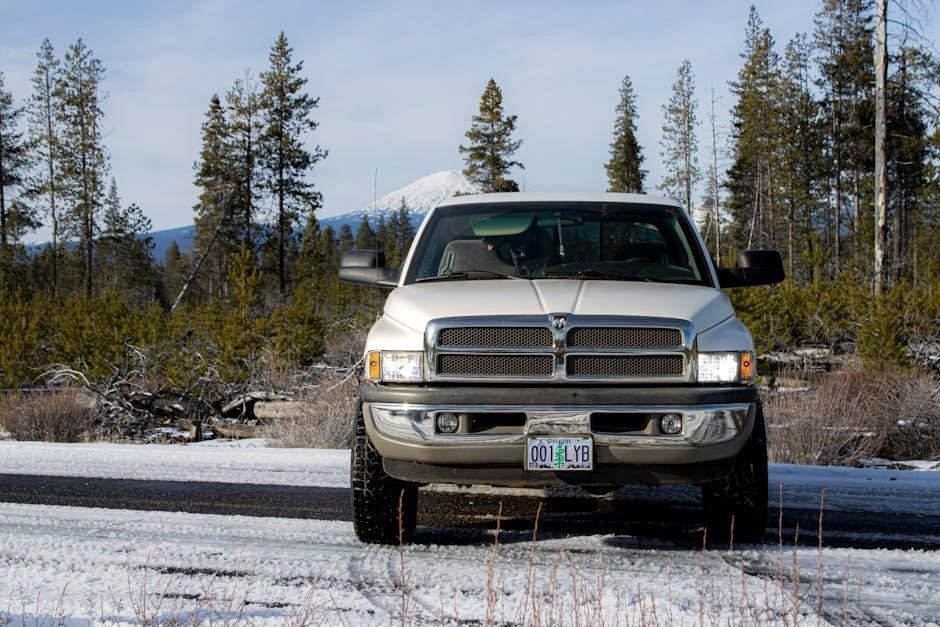
Bilstein 5100 Performance & Ride Quality
Bilstein 5100s demonstrably improve handling and control‚ dulling washboard roads while maintaining comfort․ Users note a step up from stock configurations․
Shock settings significantly impact handling‚ offering a balance between on-road comfort and off-road capability․
On-Road Ride Comfort Comparison
Compared to stock shocks‚ the Bilstein 5100s generally provide a firmer‚ more controlled ride on paved roads․ Some users report a noticeable improvement in damping‚ reducing body roll and enhancing stability during cornering․ However‚ opinions vary; some describe the ride as slightly harsher‚ particularly on rougher surfaces․
The Bilstein 5100 excels at absorbing smaller bumps and imperfections‚ contributing to a more comfortable daily driving experience․ It’s important to note that ride quality is subjective and depends on factors like vehicle load‚ tire pressure‚ and individual preferences․ Many find the trade-off between comfort and control worthwhile‚ especially for those seeking improved handling․
Off-Road Performance Evaluation
Bilstein 5100 shocks demonstrate a clear advantage off-road‚ particularly on washboard roads and moderately challenging terrain․ Their improved damping control helps maintain vehicle composure and reduces the jarring effect of uneven surfaces․ Users report a noticeable reduction in body roll and improved articulation‚ enhancing control and confidence․
While not as sophisticated as higher-end adjustable shocks like the Bilstein 6112‚ the 5100s offer a substantial upgrade over stock shocks for light to moderate off-roading․ They effectively absorb impacts and maintain tire contact‚ improving traction and overall performance․ They are a solid choice for those seeking a noticeable improvement without extensive modifications․
Impact of Shock Settings on Handling
Bilstein 5100 shock settings significantly influence handling characteristics‚ especially on Tacoma models․ Utilizing the multi-setting capability allows tailoring the ride to specific needs․ Higher settings generally provide increased stability and reduced body roll‚ ideal for towing or aggressive driving․ However‚ this can come at the expense of ride comfort․
Lower settings prioritize comfort and compliance over rough terrain‚ but may result in more noticeable body movement․ Finding the optimal balance depends on individual preferences and typical driving conditions․ Bilstein tech support suggests that for daily drivers‚ the benefits of higher settings may be minimal․
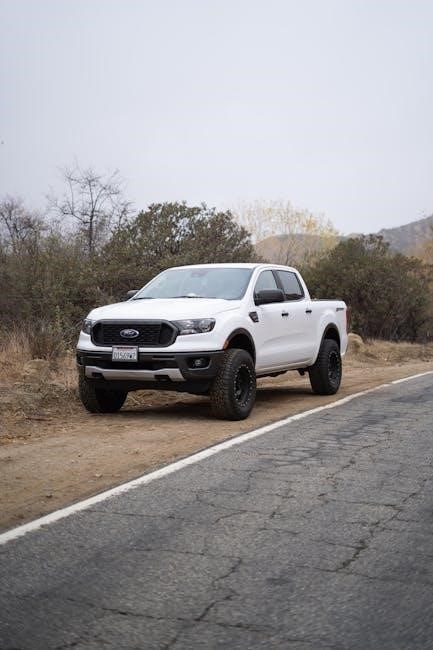
Long-Term Maintenance & Care
Regularly inspect shock mounts and bodies for damage or leaks․ Cleaning and lubrication will extend the life of your Bilstein 5100 shocks‚ ensuring optimal performance․
Regular Inspection of Shocks and Mounts
Consistent inspection is crucial for maximizing the lifespan and performance of your Bilstein 5100 shocks․ At least every 6‚000 miles‚ or after particularly rough off-road excursions‚ visually examine the shocks themselves․ Look closely for any signs of fluid leakage‚ which indicates a potential seal failure and diminished damping capability․
Pay close attention to the shock mounts – both the points where the shocks attach to the vehicle’s frame and the lower mounting points on the suspension components․ Check for rust‚ cracks‚ or any deformation in the metal; Ensure all bolts are securely tightened to the manufacturer’s specified torque․ Addressing minor issues promptly can prevent more significant and costly repairs down the road․
Cleaning and Lubrication Recommendations
Maintaining cleanliness extends the life of your Bilstein 5100 shocks․ After off-road use‚ especially in muddy or dusty conditions‚ thoroughly wash the shocks with mild soap and water․ Avoid harsh chemicals or high-pressure washers‚ as these can damage the seals․ Rinse completely and allow to air dry․
Periodically lubricate the shock shafts with a silicone-based lubricant․ This helps maintain a smooth seal and prevents corrosion․ Avoid petroleum-based products‚ as they can degrade the rubber components․ Inspect the shock boots for cracks or tears and replace them if necessary to protect the shafts from debris and environmental damage․

Bilstein 5100 vs․ Other Shock Options
Bilstein 5100s are a cost-effective upgrade‚ but Bilstein 6112s offer adjustable ride height and damping․ Eibach Pro-Truck Stage 2R provides a comfortable‚ capable alternative․
Comparison with Bilstein 6112
Bilstein 6112 shocks represent a step up from the 5100 series‚ primarily due to their adjustable ride height and damping capabilities․ While the 5100 is a direct replacement‚ the 6112 allows for lift without additional components like spacers‚ offering greater customization․
For daily drivers prioritizing comfort‚ the 6112’s adjustability can fine-tune the ride․ However‚ if simplicity and cost-effectiveness are key‚ the 5100 remains a solid choice․ Tech support suggests the 6112 isn’t necessary for pavement-only use‚ highlighting the 5100’s suitability for basic improvements․
Ultimately‚ the 6112 caters to those seeking more control and lift‚ while the 5100 provides a reliable performance boost without complexity․
Comparison with Eibach Pro-Truck Stage 2R
Eibach Pro-Truck Stage 2R kits offer a complete suspension solution‚ including springs and shocks‚ designed to improve both on and off-road handling․ Unlike the Bilstein 5100‚ which often requires separate spring selection‚ Eibach provides a matched system․
The Stage 2R excels at dampening washboard roads and handling rough terrain‚ making it ideal for those frequently encountering challenging conditions․ However‚ Eibach performance is optimized when the truck carries additional weight – bumpers‚ sliders‚ or a winch․
For lighter trucks‚ the Bilstein 5100 offers a cost-effective upgrade‚ while Eibach shines with heavier loads․